


 Language
 English
 русский
 Español
 Português
 Deutsch
 عربى
عربى italiano
 Türk
Türk हिंदी
हिंदी Indonesia
 Tiếng Việt
If you need any help, please feel free to contact us

Ventilated vs. Solid Bottom Trough Cable Trays: How to Choose the Right System?
Content
In the complex landscape of industrial electrical infrastructure, selecting the appropriate cable management system is a critical engineering decision that impacts safety, thermal performance, and system longevity. Jiangsu Youming Group Co., Ltd., a high-tech enterprise specializing in the R&D and production of cable trays since 2015, understands that the choice between a ventilated trough cable tray and a solid bottom system is rarely straightforward. With an annual production capacity of over 30,000 tons and a specialized testing center, we provide the technical depth required to navigate these specifications.
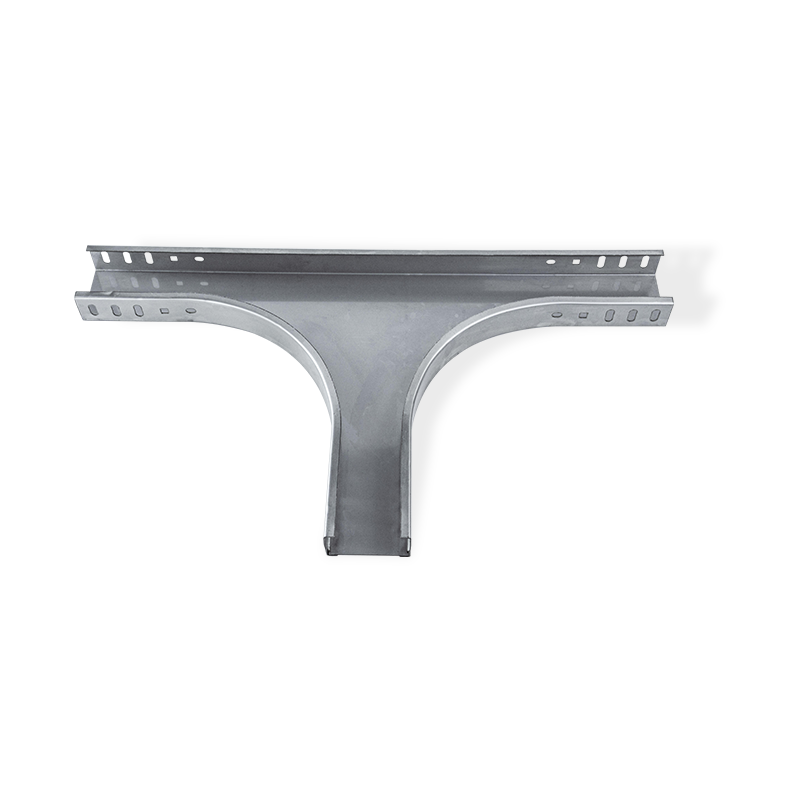
Understanding the Core Differences
The primary distinction between these systems lies in their thermal management and physical protection capabilities. While both provide a continuous support path for cables, the ventilated trough cable tray features a perforated bottom that facilitates natural convection, whereas the solid bottom variant offers total enclosure.
Thermal Management and Ampacity
A ventilated trough cable tray allows for significantly higher heat dissipation compared to solid bottom trays. This is particularly crucial in 2024-2025 as industrial power densities increase. According to the latest IEEE standards regarding cable derating, airflow through the tray bottom can prevent the accumulation of heat, thereby maintaining the cable's ampacity without requiring oversized conductors.
| Feature | Ventilated Trough Cable Tray | Solid Bottom Trough Tray |
| Heat Dissipation | High; promotes natural air convection. | Low; heat is trapped within the enclosure. |
| Cable Ampacity | Higher rating due to cooler operation. | Lower rating; requires derating factors. |
Technical Analysis of the Ventilated Trough Cable Tray
The ventilated trough cable tray is often the preferred choice for power distribution. Its design allows for the best ventilated trough cable tray materials like aluminum alloy or stainless steel to be utilized effectively in heat-sensitive environments.
Structural Integrity and Load Capacity
At Jiangsu Youming Group Co., Ltd., our automatic forming and welding lines ensure that perforations do not compromise the structural rigidity of the tray. Engineers must calculate the ventilated trough cable tray load capacity based on the span distance and the specific weight of the cable bundle. Using NEMA VE 1 standards, a well-manufactured ventilated tray can support substantial loads while offering the benefit of reduced self-weight.
Environmental Factors: Moisture and Debris
One technical advantage of the ventilated design is the prevention of moisture accumulation. In humid industrial settings, solid trays can trap condensation, leading to insulation degradation over time. The perforations in a ventilated trough cable tray allow for drainage and airflow, keeping the cable environment dry.
| Criterion | Ventilated Trough | Solid Bottom Trough |
| Moisture Control | Superior drainage and evaporation. | Potential for condensation buildup. |
| Debris Protection | Minimal; allows small particles through. | Maximum protection against falling debris. |
Selecting the Right System for Your Industry
Choosing between these systems depends heavily on the installation environment. For instance, in data centers or telecommunications, a ventilated trough cable tray for data centers is standard to manage the heat generated by high-frequency equipment. Conversely, in chemical processing plants where falling corrosive dust is a concern, a solid bottom might be safer.
Industrial Application Requirements
Modern infrastructure projects increasingly require heavy duty ventilated trough cable tray systems to support large diameter power cables. Jiangsu Youming Group Co., Ltd. utilizes laser cutting and CNC turret punching to create precise ventilation patterns that meet the rigorous ventilated trough cable tray specifications required for infrastructure, shipping, and pharmaceutical sectors.
Standardization and Compliance
In the 2024 global market, compliance with international fire safety standards is non-negotiable. Recent data from the International Electrotechnical Commission (IEC) emphasizes the importance of flame spread prevention in cable management. While ventilated trays offer cooling, they must be part of a coordinated fire-stop strategy in multi-level installations.
Installation and Maintenance Considerations
- Accessibility: Ventilated trays allow for easier visual inspection of cables.
- Cleaning: Solid trays require more frequent manual cleaning of accumulated dust inside the trough.
- Cost-Effectiveness: A ventilated trough cable tray is often lighter, reducing shipping costs and making industrial ventilated trough cable tray installation faster and less labor-intensive.
Conclusion
The decision between ventilated and solid bottom trough cable trays hinges on balancing thermal performance with environmental protection. For most power-heavy applications, the ventilated trough cable tray offers superior longevity and safety. With our 26,000 square meter production workshop and ISO 9001:2015 certification, Jiangsu Youming Group Co., Ltd. provides the engineering expertise and manufacturing precision to support your project's specific needs.
Frequently Asked Questions (FAQ)
1. What is the standard ventilated trough cable tray load capacity?
The load capacity varies by material and span, but typically ranges from 50 kg/m to over 150 kg/m for heavy-duty steel or aluminum models, compliant with NEMA classes.
2. Why should I choose a ventilated trough cable tray for data centers over solid ones?
Data centers generate significant heat; ventilated trays prevent "hot spots" and allow precision cooling systems to reach the cables, ensuring network stability.
3. Are there specific ventilated trough cable tray specifications for outdoor use?
Yes, for outdoor use, we recommend hot-dip galvanized or stainless steel best ventilated trough cable tray materials to resist corrosion while allowing rainwater to drain through the perforations.
4. How does industrial ventilated trough cable tray installation differ from solid bottom?
The installation process is similar, but ventilated trays are generally lighter, which can reduce the required number of support brackets and ease the workload for installation teams.
5. Can Jiangsu Youming Group Co., Ltd. customize the perforation patterns?
Yes, our CNC and laser cutting lines allow us to customize the heavy duty ventilated trough cable tray to meet specific airflow or cable tie-down requirements for specialized industrial projects.
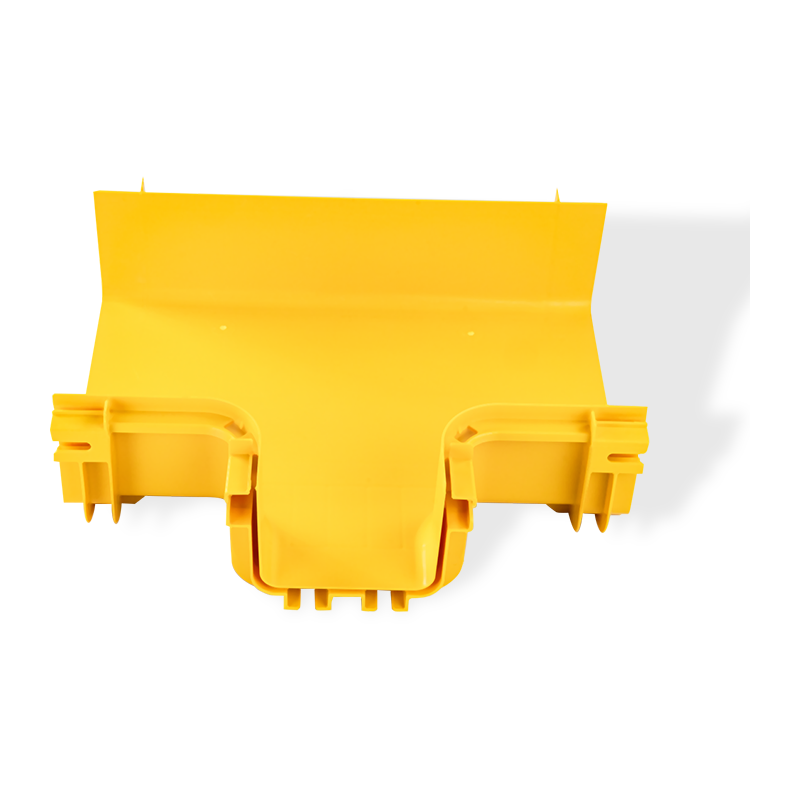

Youming Group is a manufacturing group company mainly engaged in the research and development of new high-strength cable tray
Product
- Wire Type Cable Tray Series
- Punched Type Cable Tray Series
- Trough Type Cable Tray Series
- Cable Rack Ladder Series
- Ladder Type Cable Tray Series
- Marine Cable Ladder Tray
- Strut Channel Cable Tray Series
- Accessories
- Fiber Cable Tray/Optic Cable Tray
- Photovoltaic Stents
- Stainless Steel Cable Tray Series
- Aluminum Alloy Cable Tray System
Contact information
-
No.36, Taidong Industrial Zone Shiyan Town, Dongtai City, Jiangsu Province
