


 Language
 English
 русский
 Español
 Português
 Deutsch
 عربى
عربى italiano
 Türk
Türk हिंदी
हिंदी Indonesia
 Tiếng Việt
If you need any help, please feel free to contact us

Comprehensive Engineering Guide: What are the Load-Bearing Capacities of a Stainless Steel Wire Basket Cable Tray System?
Content
- 1 1. Fundamental Factors Influencing Load Capacity
- 2 2. Analyzing Load vs. Support Span
- 3 3. Comparing Stainless Steel with Other Materials
- 4 4. Installation Best Practices for Maximum Strength
- 5 5. Industry Applications and Safety Factors
- 6 Frequently Asked Questions (FAQ)
- 6.1 1. What is the standard safety factor for cable tray load ratings?
- 6.2 2. Can I increase the load capacity by adding more supports?
- 6.3 3. Does the grade of stainless steel (304 vs 316) affect the weight limit?
- 6.4 4. How does cable heat affect load-bearing capacity?
- 6.5 5. Is a wire basket tray suitable for high-voltage power cables?
- 7 Technical References
In modern industrial infrastructure, the structural integrity of cable management is paramount. Selecting a stainless steel wire basket cable tray is not merely an aesthetic choice but a rigorous engineering decision based on mechanical performance and environmental resistance. Understanding the load-bearing capacity of these systems is critical for ensuring long-term safety, especially in demanding sectors like food processing, pharmaceuticals, and telecommunications.
As a leading high-tech enterprise, Jiangsu Youming Group Co., Ltd. specializes in the R&D and production of advanced cable trays, operating over 26,000 square meters of automated production space to deliver high-precision solutions that meet stringent global standards.
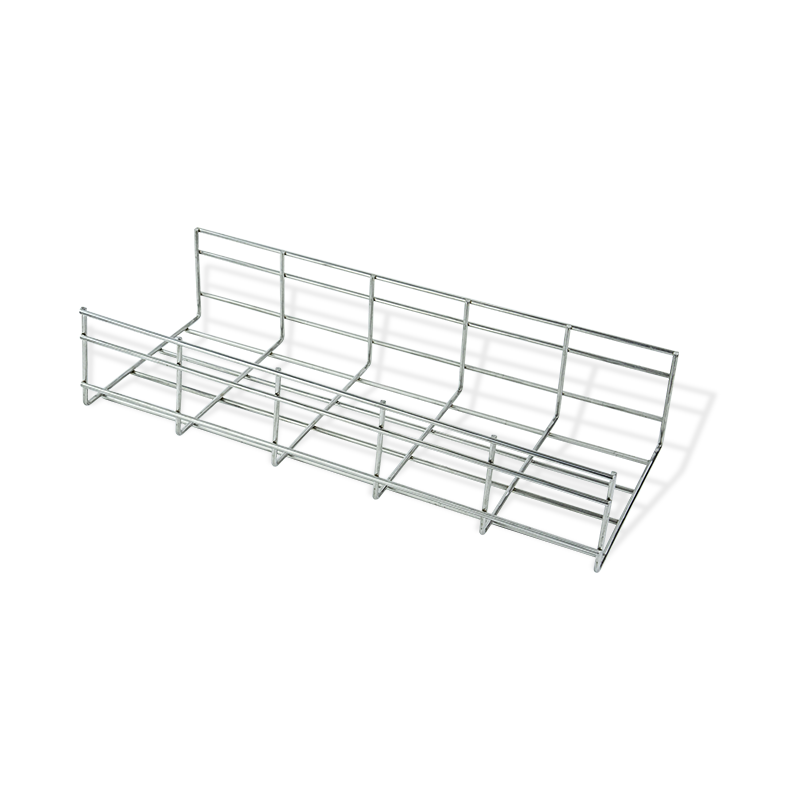
1. Fundamental Factors Influencing Load Capacity
The load-bearing performance of a stainless steel wire basket cable tray is determined by a combination of material physics and geometric design. Unlike solid-bottom trays, wire mesh systems rely on the tensile strength of the longitudinal and transverse wires, as well as the quality of the welded joints.
Material Grade and Tensile Strength
The choice between Grade 304 and Grade 316 stainless steel affects more than just corrosion resistance; it also influences the mechanical response under stress. While their base load capacities are similar under standard temperatures, their performance diverges in extreme thermal environments. 316 stainless steel wire mesh cable tray options are often preferred in marine or chemical environments where pitting corrosion could compromise the structural wire diameter over time.
Wire Diameter and Mesh Configuration
The thickness of the wire (typically ranging from 3.5mm to 6.0mm) is the primary variable in the tray's rigidity. A heavy-duty wire basket tray system utilizes thicker gauge wires and tighter mesh spacing to distribute weight more effectively across the support spans.
2. Analyzing Load vs. Support Span
The most critical relationship in cable tray engineering is the Safe Working Load (SWL) relative to the distance between supports (span). As the span increases, the maximum allowable load decreases exponentially to prevent excessive deflection.
According to international standards such as IEC 61537, the deflection of a stainless steel wire basket cable tray should not exceed 1/100th of the span length. For example, a tray supported every 1.5 meters should exhibit no more than 15mm of mid-span deflection under full load.
The following table illustrates the typical load-bearing performance differences based on support spacing:
| Support Span (Meters) | Standard Load Capacity (kg/m) | Maximum Allowable Deflection (mm) |
| 1.5m | 65 - 90 | 15 |
| 2.0m | 40 - 55 | 20 |
| 2.5m | 25 - 35 | 25 |
3. Comparing Stainless Steel with Other Materials
When evaluating the load capacity of SS304 cable tray compared to aluminum or carbon steel, engineers must account for the strength-to-weight ratio. Stainless steel provides superior rigidity over long periods without the creep deformation often seen in non-metallic alternatives.
Compared to aluminum, stainless steel maintains its structural integrity at much higher temperatures, which is vital for fire-rated applications. While aluminum is lighter, the stainless steel wire basket cable tray offers a higher modulus of elasticity, allowing for heavier cable volumes in the same physical footprint.
| Material Type | Modulus of Elasticity (GPa) | Relative Load Efficiency |
| Stainless Steel (304/316) | 193 | High |
| Aluminum Alloy | 69 | Medium |
| Fiberglass (FRP) | ~20 | Low |
4. Installation Best Practices for Maximum Strength
To realize the full potential of an industrial wire basket tray installation, the hardware and methodology must match the tray's quality. Jiangsu Youming Group Co., Ltd. utilizes fully automatic welding and forming lines to ensure every joint is a point of strength, not a point of failure.
- Joint Placement: Never place a splice or joint directly over a support bracket. Ideally, joints should be located at 1/4 of the span distance from the support.
- Coupler Integrity: Use high-strength reinforced couplers to maintain electrical continuity and mechanical rigidity across sections.
- Cable Distribution: Distribute the heaviest cables toward the sides of the tray, near the longitudinal side wires, to minimize central sagging.
5. Industry Applications and Safety Factors
In high-precision fields such as food and pharmaceutical production, a hygienic stainless steel cable management solution is required. These trays must not only support the weight of the cables but also withstand the additional forces applied during high-pressure washdowns or "clean-in-place" (CIP) procedures.
Jiangsu Youming Group Co., Ltd. ensures that every product, from raw material procurement to final delivery, undergoes rigorous testing in our dedicated testing center. This guarantees that our trays meet EU CE certification and ISO 9001:2015 standards, providing a significant safety margin (typically a 1.5x safety factor) beyond the rated SWL.
Frequently Asked Questions (FAQ)
1. What is the standard safety factor for cable tray load ratings?
Most industrial applications follow the NEMA VE 1 or IEC 61537 standards, which typically require a safety factor of 1.5. This means the tray can actually withstand 1.5 times its rated Safe Working Load before structural failure occurs.
2. Can I increase the load capacity by adding more supports?
Yes. Reducing the span distance is the most effective way to increase load capacity. Cutting the span distance in half can, in some configurations, quadruple the load-bearing capability of the tray system.
3. Does the grade of stainless steel (304 vs 316) affect the weight limit?
At room temperature, the difference is negligible. However, in corrosive environments, the 316 stainless steel wire mesh cable tray retains its load capacity longer because it resists the material thinning caused by chemical erosion.
4. How does cable heat affect load-bearing capacity?
As cables operate, they generate heat. The open-mesh design of a stainless steel wire basket cable tray promotes air circulation, keeping cables cooler and preventing the tray material from reaching temperatures where thermal expansion or softening might occur.
5. Is a wire basket tray suitable for high-voltage power cables?
While wire baskets are excellent for heat dissipation, the total weight of high-voltage cables must be calculated against the span charts. For exceptionally heavy power cables, a heavy-duty wire basket tray system with reinforced side rails is recommended.
Technical References
- International Electrotechnical Commission. (2006).IEC 61537: Cable management - Cable tray systems and cable ladder systems.
- National Electrical Manufacturers Association. (2017).NEMA VE 1-2017: Metal Cable Tray Systems.
- American Society for Testing and Materials.ASTM A123: Standard Specification for Zinc Coatings on Iron and Steel Products(for comparative analysis).
- Jiangsu Youming Group Co., Ltd. Internal Quality Control & Testing Center Standards.
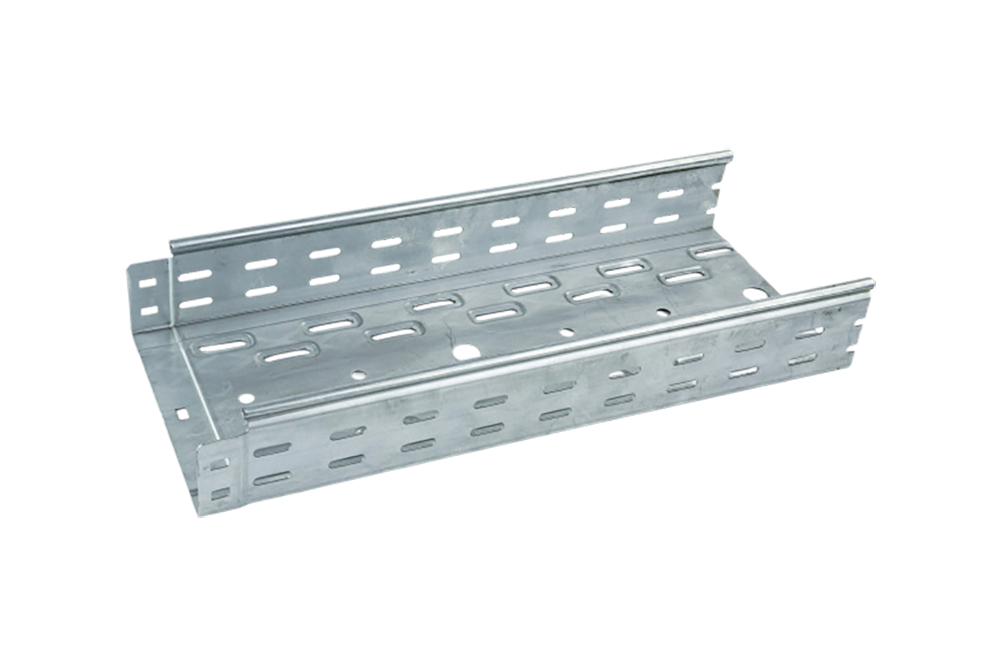
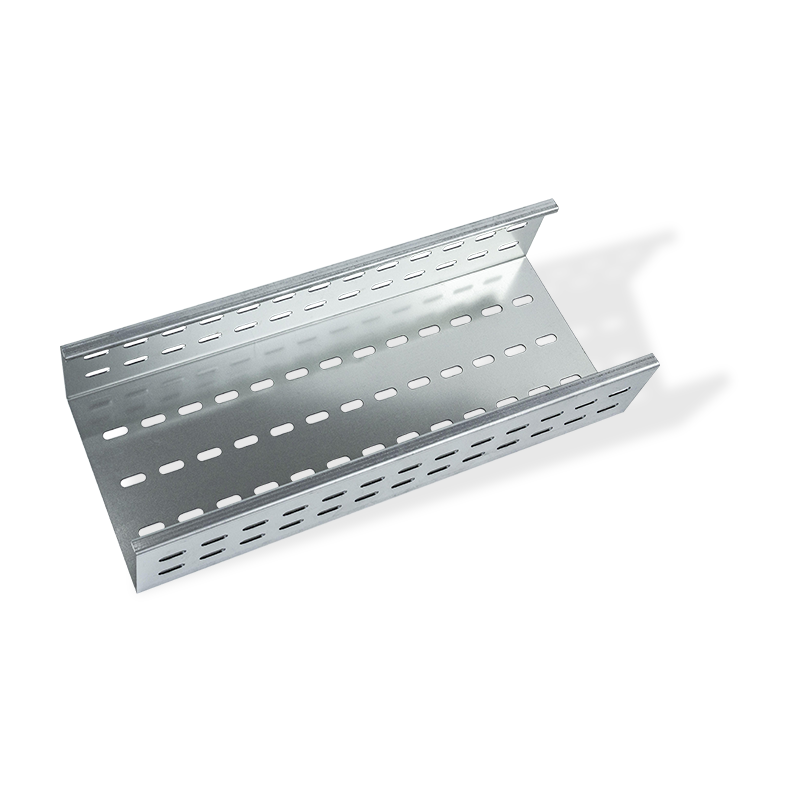
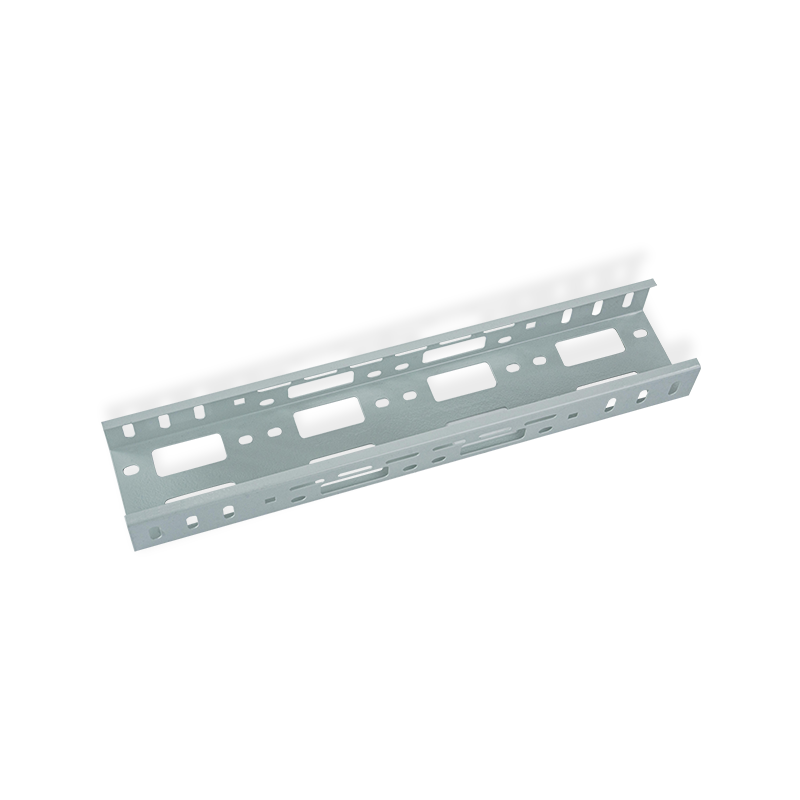

Youming Group is a manufacturing group company mainly engaged in the research and development of new high-strength cable tray
Product
- Wire Type Cable Tray Series
- Punched Type Cable Tray Series
- Trough Type Cable Tray Series
- Cable Rack Ladder Series
- Ladder Type Cable Tray Series
- Marine Cable Ladder Tray
- Strut Channel Cable Tray Series
- Accessories
- Fiber Cable Tray/Optic Cable Tray
- Photovoltaic Stents
- Stainless Steel Cable Tray Series
- Aluminum Alloy Cable Tray System
Contact information
-
No.36, Taidong Industrial Zone Shiyan Town, Dongtai City, Jiangsu Province
