


 Language
 English
 русский
 Español
 Português
 Deutsch
 عربى
عربى italiano
 Türk
Türk हिंदी
हिंदी Indonesia
 Tiếng Việt
If you need any help, please feel free to contact us

What are the Essential Factors to Consider When Selecting the Right Strut Cable Tray Size for Heavy-Duty Power Distribution?
Content
- 1 1. Calculating Cross-Sectional Area and Fill Ratios
- 2 2. Structural Load Capacity and Span Distance
- 3 4. Thermal Management and Cable Ventilation
- 4 5. Integration with Modular Support Systems
- 5 Frequently Asked Questions (FAQ)
- 5.0.1 1. How do I determine the correct side rail height for my Strut Cable Tray?
- 5.0.2 2. Why is hot-dip galvanizing preferred for heavy-duty power distribution?
- 5.0.3 3. What is the maximum fill ratio allowed by international standards?
- 5.0.4 4. Can aluminum strut trays handle the same load as steel?
- 5.0.5 5. How does Jiangsu Youming Group Co., Ltd. ensure the quality of its trays?
In high-capacity industrial environments, the infrastructure supporting electrical systems is as critical as the power itself. Selecting the correct Strut Cable Tray size is not merely a matter of physical space; it is a complex engineering decision involving structural integrity, thermal dynamics, and long-term scalability. As global energy demands shift toward renewable integration and massive data processing, the requirements for heavy-duty cable tray systems have become more stringent.
Jiangsu Youming Group Co., Ltd., established in 2015, stands at the forefront of this evolution. As an innovative high-tech enterprise in Jiangsu Province with a 26,000-square-meter production facility, we specialize in high-performance solutions. With an annual capacity of 30,000 tons and ISO 9001:2015 certification, our engineering team emphasizes that precision in sizing is the foundation of electrical safety.
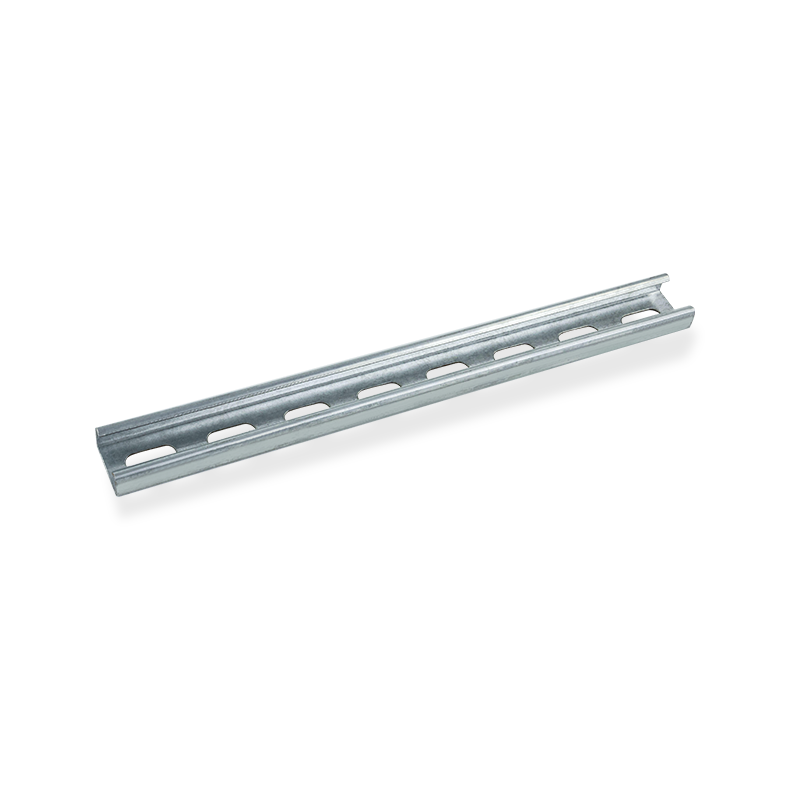
1. Calculating Cross-Sectional Area and Fill Ratios
The primary factor in sizing a Strut Cable Tray is ensuring sufficient cross-sectional area to accommodate cables without exceeding safety limits. Overfilling a tray leads to excessive heat buildup and potential insulation failure. For heavy-duty power distribution, engineers must account for the "Fill Ratio," which typically should not exceed 40-50% for power cables to allow for adequate air circulation.
According to the latest technical guidelines from the National Electrical Manufacturers Association (NEMA), maintaining specific spacing between high-voltage cables is essential to prevent mutual heating effects. This requires a wide span cable tray support strategy that compensates for both the weight and the thermal footprint of the cables.
| Factor | Standard Requirement | Heavy-Duty Impact |
| Fill Capacity | Max 40-50% for power cables | Prevents heat-induced derating of conductors. |
| Future Expansion | 20-25% spare capacity | Reduces long-term CAPEX by avoiding tray replacement. |
2. Structural Load Capacity and Span Distance
For industrial applications, the load capacity of strut trays must be calculated based on the total weight of cables plus environmental factors like ice or wind load. The relationship between the tray’s side rail height and the support span is vital. A deeper side rail significantly increases the longitudinal strength, allowing for longer distances between supports.
Jiangsu Youming Group Co., Ltd. utilizes fully automatic forming and welding lines to ensure that every hot-dip galvanized strut tray meets the high-level quality inspections required for infrastructure and metallurgy sectors. Our testing center verifies that the load-to-span ratio adheres to international safety coefficients.
3. Environmental Durability and Material Selection
The environment dictates the material longevity. In heavy-duty power plants or chemical facilities, a standard finish may fail prematurely. Selecting a corrosion resistant strut cable tray is essential for reducing maintenance cycles. For instance, Hot-Dip Galvanized (HDG) steel is preferred for outdoor industrial use, while stainless steel is reserved for highly corrosive chemical environments.
| Environment Type | Recommended Material | Service Life Expectancy |
| Indoor/Commercial | Powder-coated or Pre-galvanized | 15-20 Years |
| Outdoor/Industrial | Hot-Dip Galvanized (HDG) | 25-50 Years |
| Chemical/Marine | Stainless Steel (SS316) | 50+ Years |
4. Thermal Management and Cable Ventilation
In heavy-duty power distribution, cables generate significant heat. A ventilated bottom strut tray (perforated or ladder type) is often superior to solid-bottom troughs because it facilitates convective cooling. This is particularly important for aluminum strut cable tray systems, which are favored in power distribution for their excellent strength-to-weight ratio and natural heat dissipation properties.
Recent data from the International Electrotechnical Commission (IEC) suggests that optimized airflow in cable management can improve the current-carrying capacity of power cables by up to 15% compared to enclosed trunking systems.
Source: IEC 61537: Cable management - Cable tray systems and cable ladder systems
5. Integration with Modular Support Systems
Modern engineering favors modularity. The Strut Cable Tray is designed to integrate seamlessly with universal strut channels and brackets. This compatibility allows for rapid adjustments during installation, which is critical in sectors like wind and photovoltaic power where terrain and layout can vary.
- Automatic forming lines: Ensure dimensional precision for perfect fitment with modular accessories.
- Laser cutting technology: Allows for customized tray widths to fit specific power distribution room footprints.
- Certifications: Compliance with EU CE and ISO standards ensures the tray functions as a reliable component of the larger structural system.
Frequently Asked Questions (FAQ)
1. How do I determine the correct side rail height for my Strut Cable Tray?
The side rail height should be chosen based on the diameter of your largest cable and the required fill volume. For heavy-duty power cables, a higher side rail (e.g., 100mm or 150mm) provides the necessary depth for layering and airflow, while also increasing the structural rigidity of the tray over long spans.
2. Why is hot-dip galvanizing preferred for heavy-duty power distribution?
A hot-dip galvanized strut tray undergoes a metallurgical bonding process that creates a thick, durable zinc coating. This provides "sacrificial protection," meaning even if the tray is scratched during cable pulling, the surrounding zinc will prevent rust from spreading, making it ideal for outdoor power infrastructure.
3. What is the maximum fill ratio allowed by international standards?
According to NEC and NEMA standards, the sum of the cross-sectional areas of all cables should generally not exceed 40% to 50% of the tray's interior cross-sectional area for power cables. This ensures cables do not overheat due to restricted airflow.
4. Can aluminum strut trays handle the same load as steel?
While an aluminum strut cable tray is lighter and more corrosion-resistant, it typically has a different load-to-span ratio than steel. However, high-grade aluminum alloys can support heavy loads if the tray profile is engineered correctly, offering the benefit of being easier to install in high-altitude or sensitive communication projects.
5. How does Jiangsu Youming Group Co., Ltd. ensure the quality of its trays?
Every product undergoes a rigorous inspection process at our in-house testing center. From raw material procurement to final delivery, we verify load capacity, coating thickness, and dimensional accuracy using CNC turret punching and automatic spraying lines, ensuring our products meet the high level expected in the global industry.
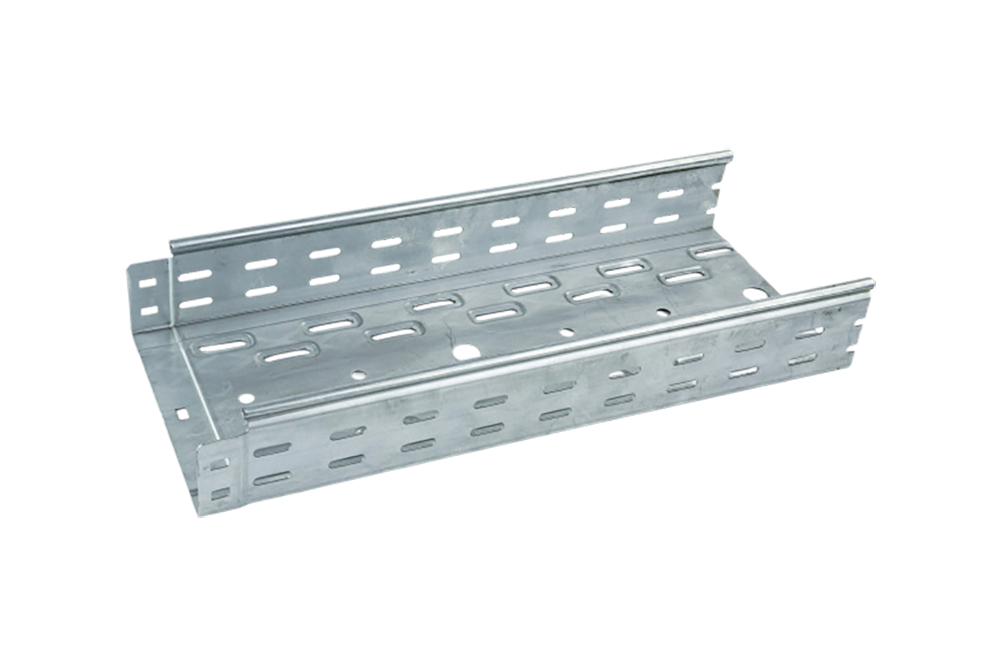
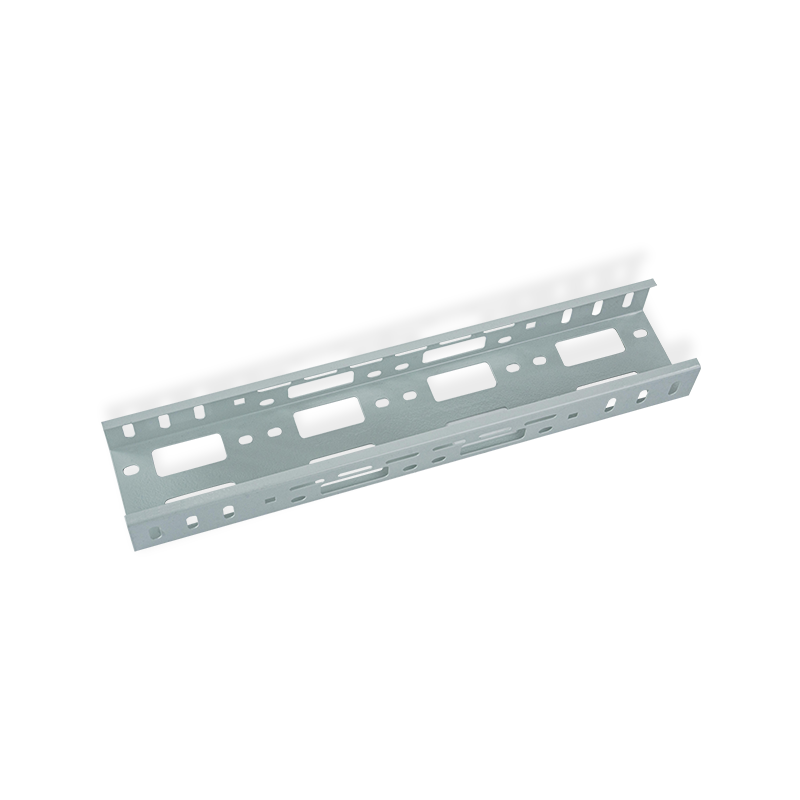
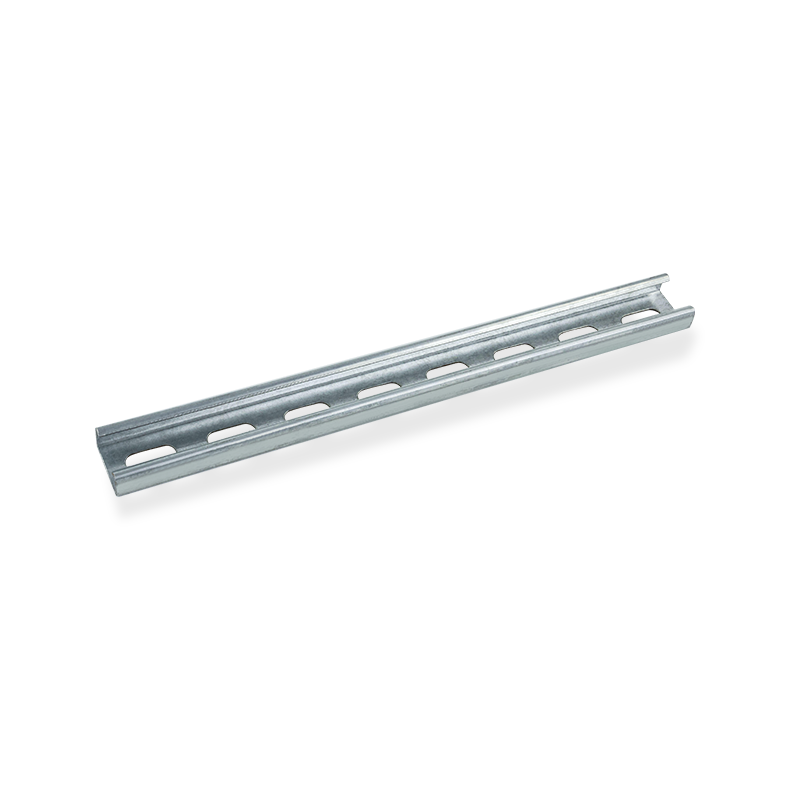

Youming Group is a manufacturing group company mainly engaged in the research and development of new high-strength cable tray
Product
- Wire Type Cable Tray Series
- Punched Type Cable Tray Series
- Trough Type Cable Tray Series
- Cable Rack Ladder Series
- Ladder Type Cable Tray Series
- Marine Cable Ladder Tray
- Strut Channel Cable Tray Series
- Accessories
- Fiber Cable Tray/Optic Cable Tray
- Photovoltaic Stents
- Stainless Steel Cable Tray Series
- Aluminum Alloy Cable Tray System
Contact information
-
No.36, Taidong Industrial Zone Shiyan Town, Dongtai City, Jiangsu Province
