


 Language
 English
 русский
 Español
 Português
 Deutsch
 عربى
عربى italiano
 Türk
Türk हिंदी
हिंदी Indonesia
 Tiếng Việt
If you need any help, please feel free to contact us

Why Aluminum Cable Trays Are Becoming More Popular in Modern Cable Management Systems
Content
- 1 What Are Aluminum Cable Trays and Why Are They Important?
- 2 Why Is Aluminum Widely Used for Cable Tray Manufacturing?
- 3 What Are the Key Advantages of Aluminum Cable Trays?
- 4 How Do Aluminum Cable Trays Improve Modern Cable Management Systems?
- 5 Where Are Aluminum Cable Trays Commonly Used?
- 6 Why Are Aluminum Cable Trays Suitable for Outdoor and Harsh Environments?
- 7 How Do Aluminum Cable Trays Compare With Steel Cable Trays?
- 8 What Factors Should Buyers Consider When Selecting Aluminum Cable Trays?
- 9 What Types of Aluminum Cable Trays Are Available?
- 10 How Are Aluminum Cable Trays Manufactured?
- 11 What Are the Future Trends of Aluminum Cable Tray Systems?
Every large electrical installation eventually comes down to the same question: how do you route hundreds of cables so they stay organized, ventilated, and accessible for decades. Aluminum cable trays have become the answer of choice for a growing share of contractors, thanks to a strength-to-weight ratio and corrosion resistance that steel systems struggle to match without added maintenance cost.
What Are Aluminum Cable Trays and Why Are They Important?
An aluminum cable tray is a rigid support structure designed to route and protect electrical cables along a defined path, typically built with an open or perforated profile that allows airflow around the cables it carries. Instead of running cables through sealed conduit, a tray system keeps them organized, visible, and accessible for future changes.
In modern electrical installations, that visibility matters as much as the physical support. Trays make cable protection easier to verify, simplify maintenance since technicians can trace a run at a glance, improve installation efficiency during the build phase, and keep large cable bundles organized instead of tangled behind walls or ceilings.
SPEC NOTE
Cable trays are not conduit. Open and perforated designs prioritize airflow and access over full enclosure, which is precisely why ventilation performance is a core selection factor, not an afterthought.
Why Is Aluminum Widely Used for Cable Tray Manufacturing?
Lightweight Performance
Lower material weight simplifies transportation and reduces the labor required during installation.
Corrosion Resistance
Aluminum naturally resists corrosion, making it well suited to humid and outdoor installation environments.
Strength-to-Weight Ratio
A high strength-to-weight ratio delivers reliable cable support without adding unnecessary structural load.
Long Service Life
Reduced susceptibility to rust and degradation lowers long-term maintenance requirements considerably.
What Are the Key Advantages of Aluminum Cable Trays?
Beyond the raw material properties, the finished tray system delivers advantages that show up directly on the job site and across the life of the installation.
- Easy installation that lowers labor requirements and simplifies handling on site
- Excellent ventilation that helps prevent cable overheating during continuous operation
- Flexible cable arrangement that supports a wide range of layout configurations
- Durable performance that maintains structural stability in demanding environments
How Do Aluminum Cable Trays Improve Modern Cable Management Systems?
Large-scale electrical projects live or die on organization. A tray system keeps cable routing predictable, which makes inspection and maintenance dramatically easier than tracing conduit runs hidden behind finished surfaces. That same organization reduces installation complexity during the initial build, since electricians can lay, secure, and label cables along an open, visible path.
The cumulative effect is improved system reliability. Well-organized cable runs are less prone to accidental damage during future work, easier to expand as project needs grow, and simpler to bring into compliance during inspections — all of which matters most on large electrical engineering projects where downtime carries a real cost.
Where Are Aluminum Cable Trays Commonly Used?
Industrial Facilities
Manufacturing plants, production lines, and automation systems depend on organized cable routing to keep control and power wiring accessible for ongoing maintenance.
Commercial Buildings
Office buildings, shopping centers, and broader infrastructure projects use tray systems to manage the dense cable runs modern commercial electrical systems require.
Data Centers
Network cable management and power distribution systems both benefit from the airflow and organization a tray-based layout provides in high-density environments.
Energy Projects
Renewable energy facilities and power generation projects rely on corrosion-resistant tray systems that can handle demanding outdoor conditions over the long term.
Why Are Aluminum Cable Trays Suitable for Outdoor and Harsh Environments?
Resistance to corrosion is what keeps an outdoor tray system performing consistently, season after season, without escalating maintenance costs.
Coastal installations, industrial sites with chemical exposure, and facilities that see constant humidity all put unusual stress on standard building materials. Aluminum's natural resistance to corrosion means the tray keeps performing stably even as conditions shift, which directly reduces how often a maintenance crew needs to inspect or replace sections of the system.
How Do Aluminum Cable Trays Compare With Steel Cable Trays?
Aluminum Cable Trays
- Lightweight for faster installation
- Naturally corrosion resistant
- Easier to handle on site
Steel Cable Trays
- Higher mechanical strength
- Suited to heavy load applications
- Often requires added corrosion protection
Projects with heavy load requirements and lower corrosion exposure may still favor steel, but for most general and outdoor installations, aluminum cable trays offer the better balance of strength, weight, and long-term durability.
 |
 |
What Factors Should Buyers Consider When Selecting Aluminum Cable Trays?
| Factor | Why It Matters |
| Cable load capacity | Determines whether the tray can safely support the total cable weight |
| Tray size and dimensions | Must match the volume and diameter of cables being routed |
| Material thickness | Affects structural rigidity and long-term load performance |
| Installation environment | Outdoor, coastal, or industrial settings shape material and finish choice |
| Cable quantity | Influences tray width and future expansion capacity |
| Surface treatment | Adds an extra layer of protection in demanding environments |
| Project requirements | Local codes and engineering specifications guide final selection |
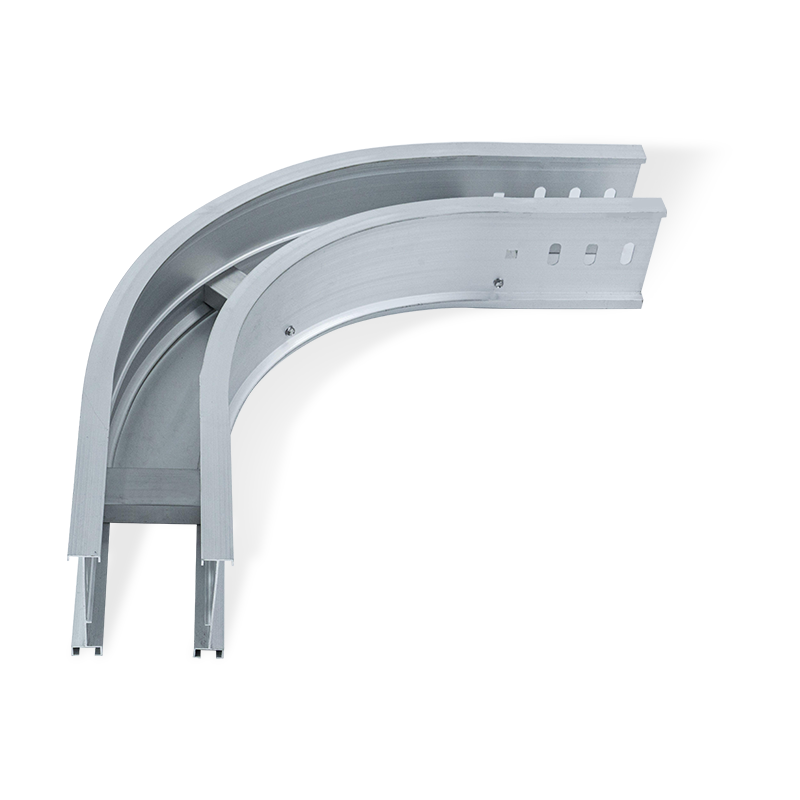
What Types of Aluminum Cable Trays Are Available?
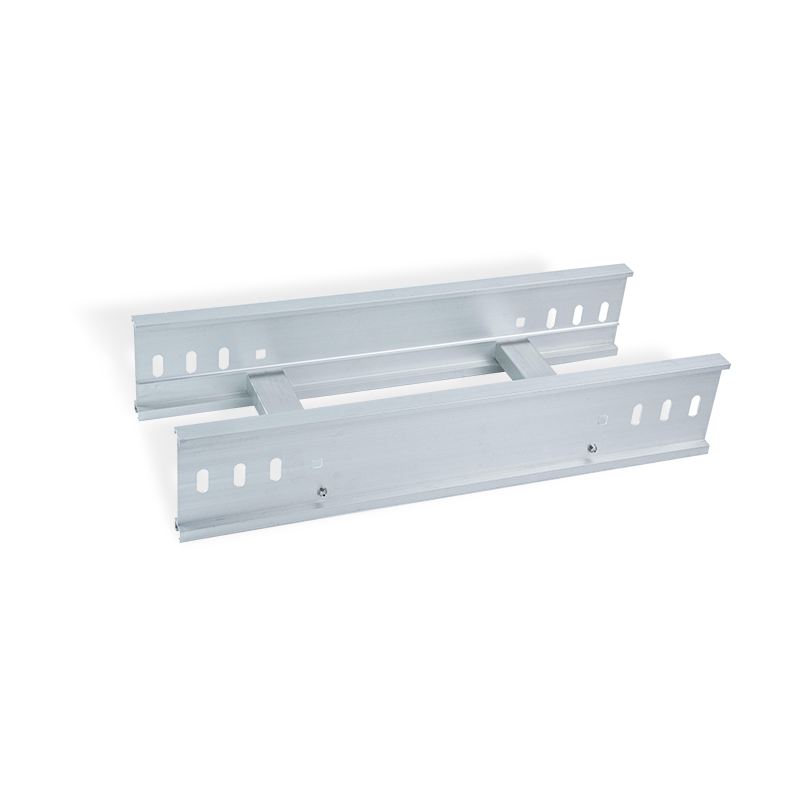
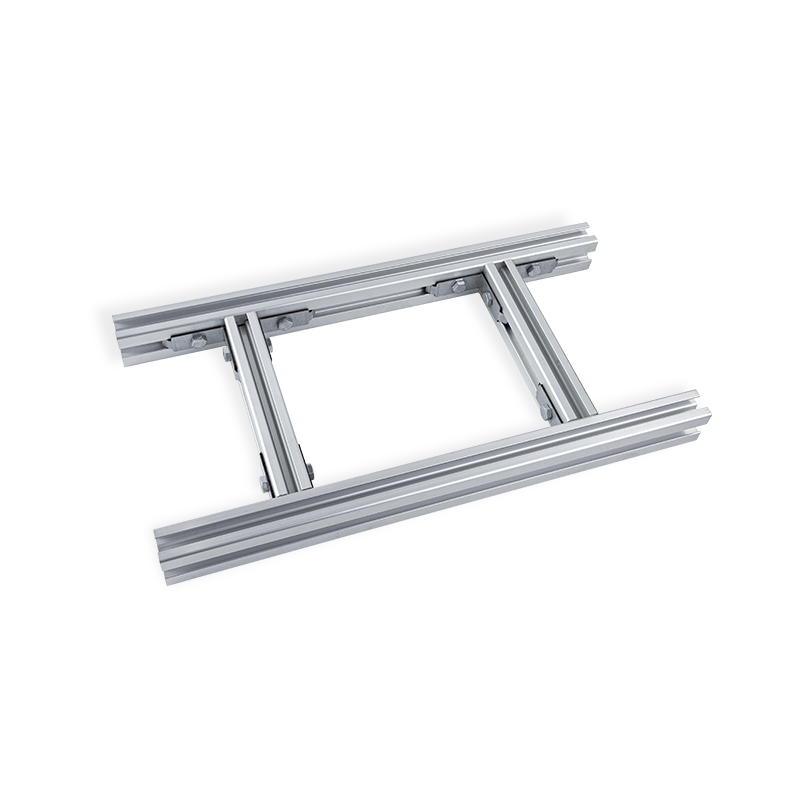
Ladder Cable Tray
An open rung design that offers strong ventilation, making it a common choice for power cable installations that generate significant heat.
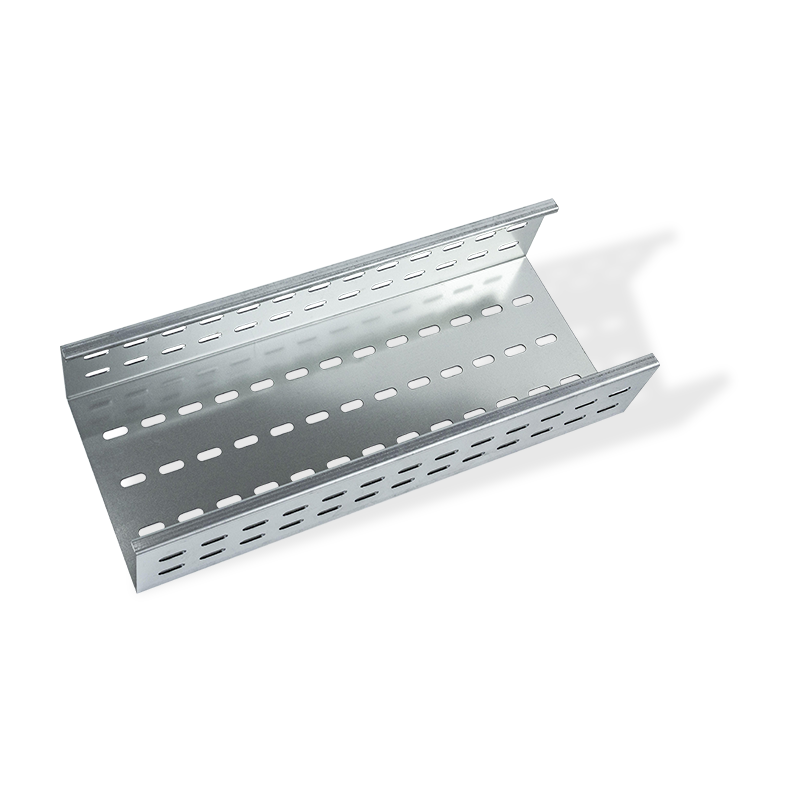
Perforated Cable Tray
A balanced design that combines solid support with enough airflow to suit a wide range of general-purpose cable routing needs.
Solid Bottom Cable Tray
A fully enclosed base that adds extra physical protection, useful where cables need shielding from dust, debris, or accidental contact.
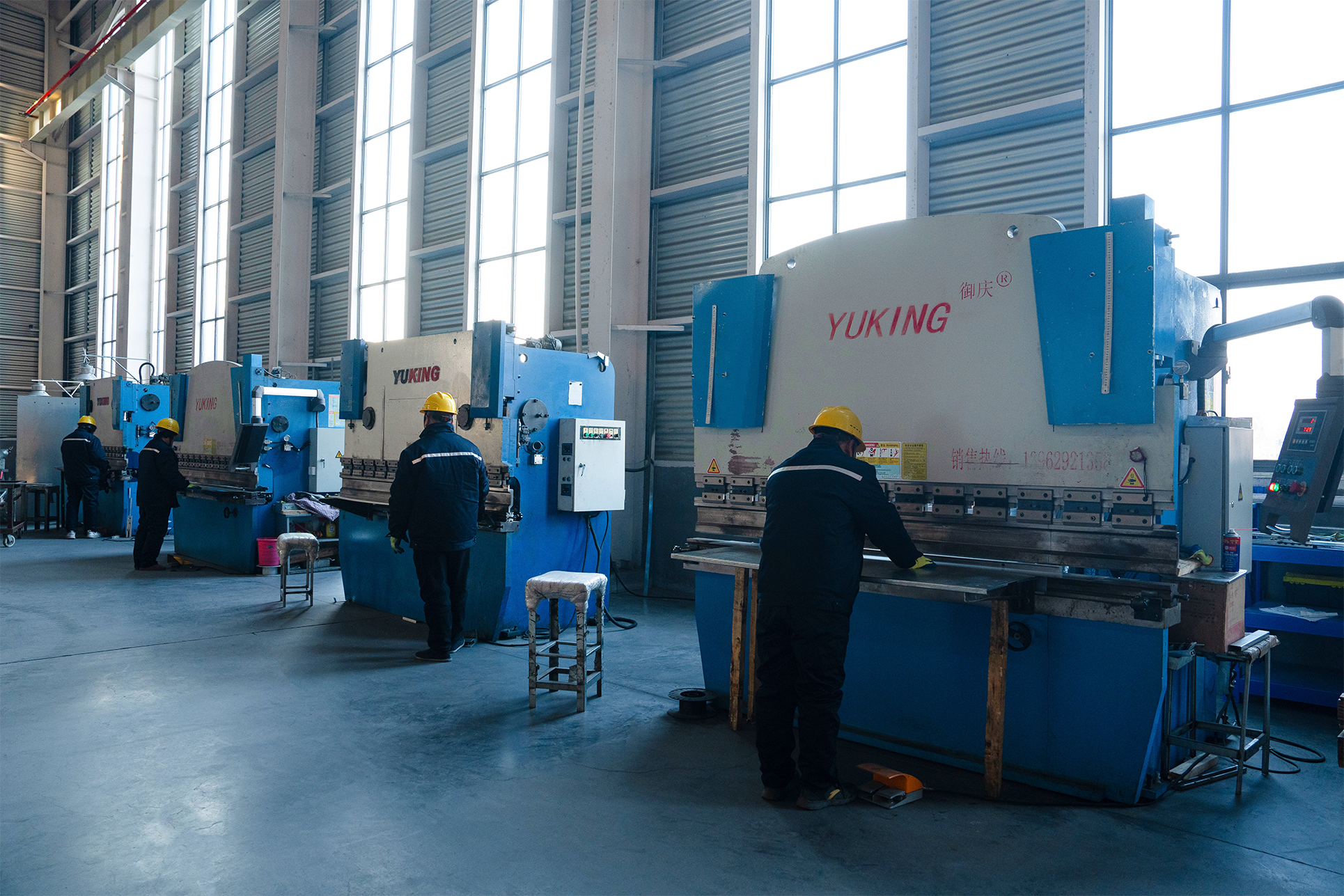
How Are Aluminum Cable Trays Manufactured?
1 Material Preparation
2 Extrusion or Forming
3 Cutting and Shaping
4 Surface Treatment
5 Assembly
6 Quality Inspection
Quality control follows the tray through every stage of production. Dimensional accuracy checks confirm the finished profile matches specification, load capacity testing verifies the tray can carry its rated weight, surface quality inspection catches finish inconsistencies, and corrosion resistance testing confirms the material will perform as expected once installed outdoors or in demanding environments.
What Are the Future Trends of Aluminum Cable Tray Systems?
Lightweight infrastructure development continues to push designers toward materials that reduce structural load without sacrificing durability, which keeps aluminum firmly in favor. Corrosion resistance requirements are also tightening as more projects move into coastal, industrial, and renewable energy settings. Expect continued demand for customized cable management solutions, along with steady growth from data infrastructure and renewable energy projects that both depend on dependable, low-maintenance cable routing.
Common Selection Mistakes to Avoid
- Sizing the tray for current cable volume only, without room for future expansion
- Overlooking ventilation needs in high-heat cable runs
- Choosing standard surface treatment for coastal or chemically exposed sites
- Ignoring local code requirements during the specification stage
- Selecting tray type without matching it to load and access requirements

Youming Group is a manufacturing group company mainly engaged in the research and development of new high-strength cable tray
Product
- Wire Type Cable Tray Series
- Punched Type Cable Tray Series
- Trough Type Cable Tray Series
- Cable Rack Ladder Series
- Ladder Type Cable Tray Series
- Marine Cable Ladder Tray
- Strut Channel Cable Tray Series
- Accessories
- Fiber Cable Tray/Optic Cable Tray
- Photovoltaic Stents
- Stainless Steel Cable Tray Series
- Aluminum Alloy Cable Tray System
Contact information
-
No.36, Taidong Industrial Zone Shiyan Town, Dongtai City, Jiangsu Province
