


 Language
 English
 русский
 Español
 Português
 Deutsch
 عربى
عربى italiano
 Türk
Türk हिंदी
हिंदी Indonesia
 Tiếng Việt
If you need any help, please feel free to contact us

What Makes Aluminum Cable Trays a Reliable Solution for Industrial Cable Management?
Content
- 1 Why Aluminum Cable Trays Outperform Traditional Materials
- 2 Key Advantages of Aluminum Cable Tray Systems
- 3 Where Aluminum Cable Trays Deliver Real-World Value
- 4 Material Comparison: Aluminum Cable Trays vs. Alternatives
- 5 Selecting the Right Aluminum Cable Tray System for Your Facility
- 6 Future-Proofing Infrastructure with Aluminum Cable Tray Technology
- 7 Frequently Asked Questions
Efficient cable management is the backbone of reliable industrial operations. Aluminum cable trays have become the industry standard for organizing, supporting, and protecting electrical infrastructure in power plants, data centers, manufacturing facilities, and chemical processing plants. Their combination of lightweight design, superior corrosion resistance, and durability makes them the preferred choice for modern industrial facilities managing complex electrical systems.
Why Aluminum Cable Trays Outperform Traditional Materials
Aluminum cable trays deliver measurable advantages that traditional materials cannot match. Unlike steel alternatives that require extensive protective coatings, aluminum naturally resists corrosion through oxide layer formation. A typical steel cable tray system loses 15-20% of its load-bearing capacity within 5-7 years in industrial environments, while properly maintained aluminum systems maintain structural integrity for 20+ years.
50%
Lighter than steel
20+
Years service life
40%
Installation time savings
15%
Lower lifecycle cost
Key Advantages of Aluminum Cable Tray Systems
Understanding the specific benefits helps facility managers make informed infrastructure decisions. The advantages extend beyond initial installation to long-term operational efficiency:
- Lightweight Construction: Reduces installation labor by 35-40% and eliminates need for heavy rigging equipment, cutting project timelines significantly.
- Superior Corrosion Resistance: Performs exceptionally in salt spray, chemical vapor, and high-humidity environments without protective coatings.
- Excellent Heat Dissipation: Open-design aluminum cable trays maintain 15-25% cooler operating temperatures than enclosed systems, extending cable lifespan.
- Improved Accessibility: Lightweight design enables single-person maintenance and repositioning, reducing downtime during upgrades.
- Compliance Ready: Meets NEC, NFPA, and IEC electrical standards without modification across North America and European facilities.
Where Aluminum Cable Trays Deliver Real-World Value
Aluminum cable tray systems prove their worth across diverse industrial settings. Real-world deployment data shows consistent performance advantages:
Power Generation Facilities
Managing 500+ cables in high-temperature environments. Aluminum resists thermal cycling degradation that compromises steel supports within 3-5 years.
Data Centers & Cloud Infrastructure
Handling rapid cable reconfigurations. Aluminum cable trays accommodate 40+ annual changes without structural fatigue or coating failure.
Chemical & Oil/Gas Facilities
Enduring corrosive chemical vapors and saltwater spray. Aluminum maintains integrity where steel requires quarterly maintenance inspections.
Pharmaceutical Manufacturing
Meeting strict environmental controls. Aluminum releases no contaminants and eliminates rust particles that compromise sensitive cleanrooms.
Material Comparison: Aluminum Cable Trays vs. Alternatives
Selecting the right material requires understanding performance trade-offs. Here's how aluminum compares across critical specifications:
| Specification | Aluminum | Steel (Galvanized) | Fiberglass |
| Weight per foot | 2.5–4 lbs | 5–8 lbs | 3–5 lbs |
| Corrosion Resistance | Excellent (20+ yrs) | Good (5-7 yrs) | Excellent (20+ yrs) |
| Load Capacity | High (100+ lbs/ft) | Very High (150+ lbs/ft) | Moderate (60-80 lbs/ft) |
| Installation Speed | Fast (1–2 days/100ft) | Moderate (2–3 days/100ft) | Fast (1–2 days/100ft) |
| Lifecycle Cost | $85–$120/ft | $95–$135/ft | $75–$110/ft |
The Economics Matter: While fiberglass offers lowest initial cost, aluminum delivers 35% better cost-per-year when accounting for zero maintenance, zero coating replacement, and superior thermal performance over a 20-year lifecycle.
Selecting the Right Aluminum Cable Tray System for Your Facility
Proper selection requires evaluating four critical factors that determine long-term performance and compliance:
- Load Requirements: Calculate total cable weight (conductors, jackets, future capacity). Most industrial applications require 80-120 lbs/ft capacity; aluminum cable trays support this range reliably.
- Environmental Exposure: Identify corrosive elements (salt spray, chemical vapors, temperature cycling). Coastal and chemical facilities benefit most from aluminum's superior corrosion resistance.
- Tray Type Selection: Ladder trays offer maximum airflow; perforated designs balance ventilation and support; solid bottoms protect sensitive cables. Match type to cable specifications and heat dissipation needs.
- Compliance Verification: Ensure system meets NEC Article 392, NFPA 70, and local electrical codes. Third-party certification from UL or CSA adds insurance-friendly documentation.
Future-Proofing Infrastructure with Aluminum Cable Tray Technology
Industrial infrastructure is evolving toward renewable energy integration, smart manufacturing, and increased electrical density. Aluminum cable tray systems adapt seamlessly to these trends: their lightweight design reduces installation strain on existing structural supports, their thermal performance handles higher cable densities without temperature-induced failures, and their corrosion resistance proves essential as facilities integrate rooftop solar and outdoor energy storage systems. Forward-thinking facilities standardizing on aluminum today eliminate costly system replacements within the next decade.
Frequently Asked Questions
How long do aluminum cable trays actually last?
Properly installed aluminum cable trays deliver 20-30 years of service with minimal maintenance. The oxide layer that forms on aluminum naturally provides corrosion protection without external coatings. Regular inspections (annually) and prompt cable repositioning prevent premature wear.
Can aluminum cable trays handle high-temperature environments?
Yes. Aluminum maintains 85% of its strength at 300°F and 50% at 500°F. Power generation and chemical processing facilities regularly specify aluminum cable trays for high-temperature zones where steel degrades rapidly.
What's the installation timeline for aluminum cable tray systems?
Single-person teams can install 150-200 linear feet per day. Aluminum's lightweight nature eliminates rigging equipment needs, expensive crew scheduling, and structural reinforcement that steel systems often require.
How do aluminum cable trays compare for data center cooling efficiency?
Open-design aluminum trays maintain 18-24% cooler cable temperatures compared to solid steel alternatives. This directly extends power supply lifespans and reduces cooling system workload by 8-12% in dense cable environments.
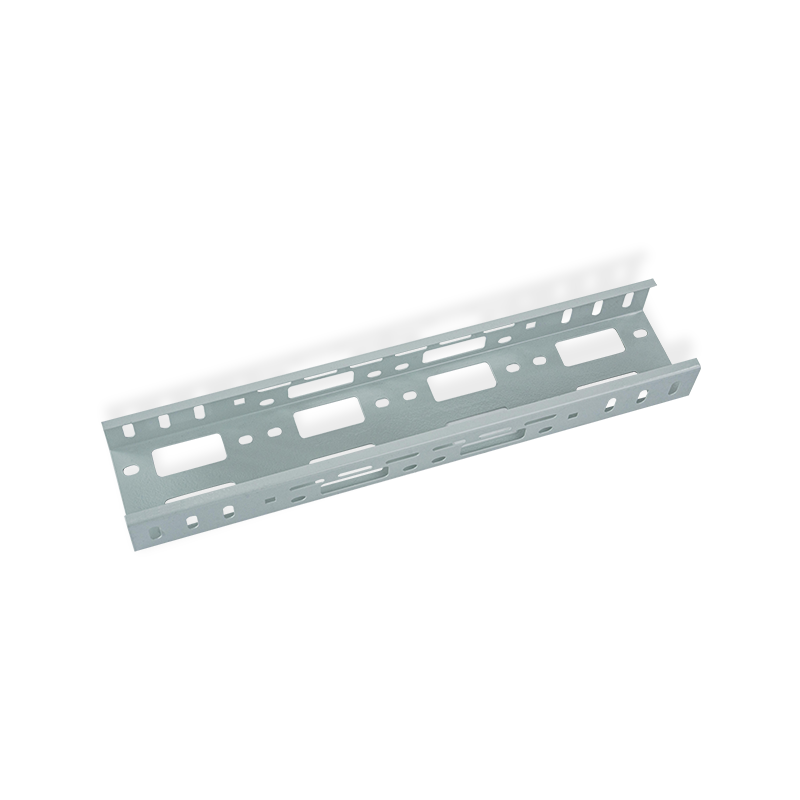
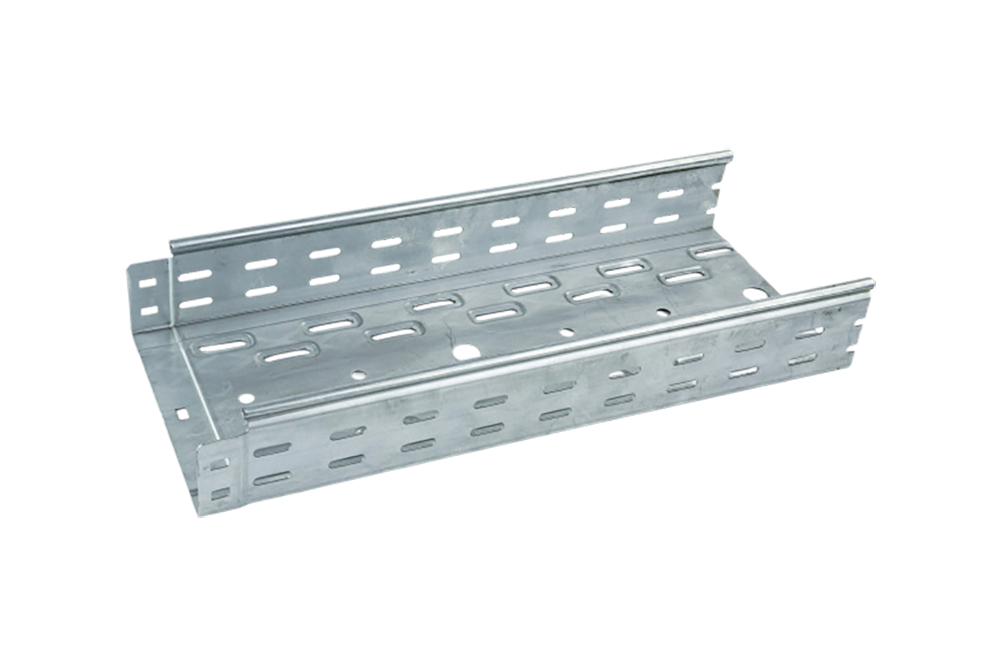
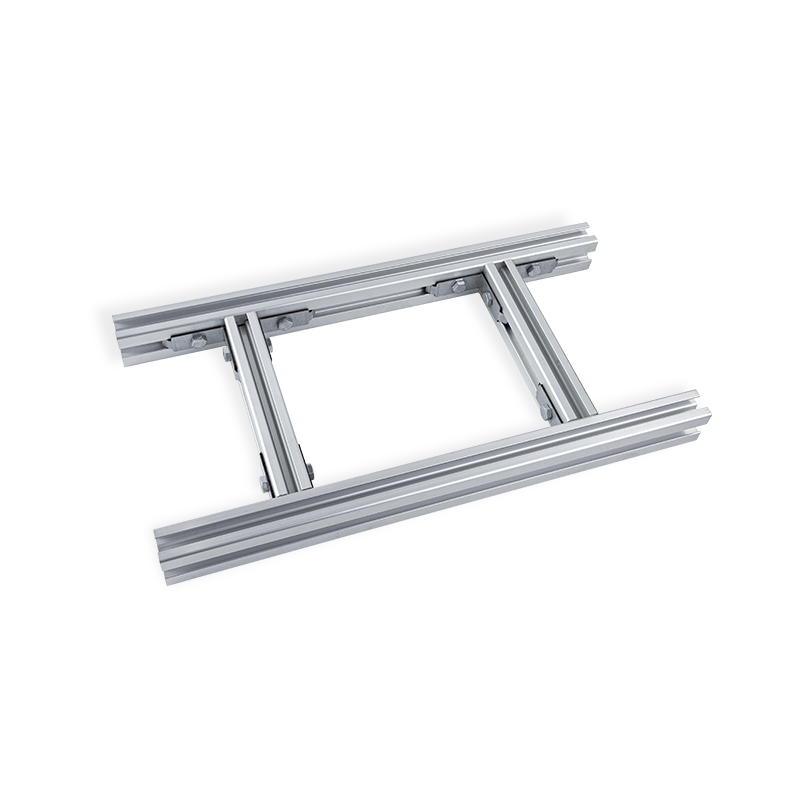
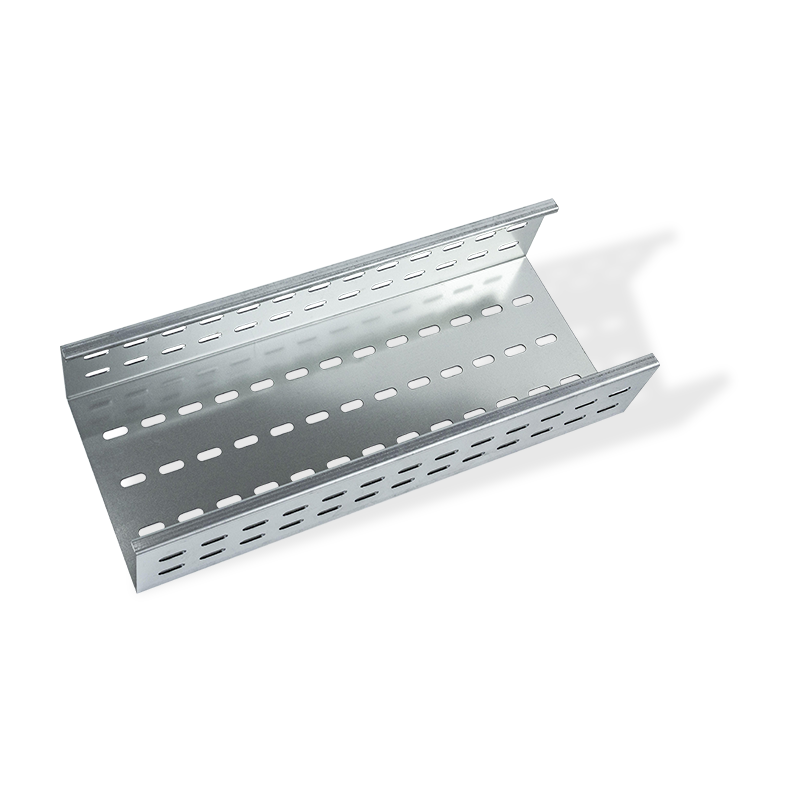

Youming Group is a manufacturing group company mainly engaged in the research and development of new high-strength cable tray
Product
- Wire Type Cable Tray Series
- Punched Type Cable Tray Series
- Trough Type Cable Tray Series
- Cable Rack Ladder Series
- Ladder Type Cable Tray Series
- Marine Cable Ladder Tray
- Strut Channel Cable Tray Series
- Accessories
- Fiber Cable Tray/Optic Cable Tray
- Photovoltaic Stents
- Stainless Steel Cable Tray Series
- Aluminum Alloy Cable Tray System
Contact information
-
No.36, Taidong Industrial Zone Shiyan Town, Dongtai City, Jiangsu Province
