


 Language
 English
 русский
 Español
 Português
 Deutsch
 عربى
عربى italiano
 Türk
Türk हिंदी
हिंदी Indonesia
 Tiếng Việt
If you need any help, please feel free to contact us

Why is a 304 vs. 316 Stainless Steel Wire Mesh Tray the Best Choice for Industrial Food Dehydrating?
Content
- 1 The Core Debate: 304 vs 316 Stainless Steel Properties
- 2 Why Use Stainless Steel for Industrial Food Drying?
- 3 Technical Standards and Compliance
- 4 Customization for Complex Dehydration Tasks
- 5 Conclusion: Investing in Quality
- 5.1 Frequently Asked Questions (FAQ)
- 5.1.1 1. What is the main benefit of 316 stainless steel for food trays?
- 5.1.2 2. How does wire mesh improve dehydration efficiency?
- 5.1.3 3. Are these trays compatible with CIP (Clean-in-Place) systems?
- 5.1.4 4. Can I get custom dimensions for my specific dehydrator model?
- 5.1.5 5. Do your trays meet international food safety standards?
- 5.2 Industry References
- 5.1 Frequently Asked Questions (FAQ)
In the demanding environment of industrial food processing, the selection of equipment materials is not merely a logistical decision but a critical factor in ensuring food safety, thermal efficiency, and long-term ROI. For professionals seeking a high-performance stainless steel wire mesh tray, understanding the nuanced metallurgical differences between Grade 304 and Grade 316 is essential. Jiangsu Youming Group Co., Ltd., a high-tech enterprise specializing in precision-engineered mesh and tray systems, provides the technical clarity needed to optimize your dehydration workflow.
The Core Debate: 304 vs 316 Stainless Steel Properties
When evaluating a stainless steel wire mesh tray for industrial dehydration, the primary concern is the material's reaction to heat and chemical exposure. Grade 304 is the industry standard for general food contact, while Grade 316 contains 2-3% Molybdenum, significantly enhancing its resistance to chlorides and acidic food components.
Key Material Characteristics
- Grade 304: Excellent formability and cost-effectiveness for standard drying environments.
- Grade 316: Superior pitting resistance, making it the best material for food dehydrator trays when processing high-salt or high-acid products like citrus or brined meats.
| Feature | 304 Stainless Steel | 316 Stainless Steel |
| Chemical Composition | 18% Chromium, 8% Nickel | 16% Chromium, 10% Nickel, 2% Molybdenum |
| Corrosion Resistance | High (Standard environments) | Excellent (Chloride/Acidic environments) |
| Temperature Stability | Up to 870°C | Up to 925°C |
Why Use Stainless Steel for Industrial Food Drying?
A heavy duty stainless steel mesh tray offers structural integrity that polymer or aluminum alternatives cannot match. In high-volume facilities, trays must withstand 24/7 thermal cycling without warping. This is where industrial food dehydrator tray durability becomes a decisive factor in reducing replacement costs.
Advantages of Wire Mesh Design
- Optimal Airflow: The open-weave structure ensures 360-degree heat distribution, which is a solution for uneven drying in food dehydrators.
- Load Capacity: Reinforced frames allow for higher product density per square meter.
- Ease of Cleaning: Cleaning stainless steel wire mesh tray components is simplified by their resistance to high-pressure washing and caustic sanitizers.
Technical Standards and Compliance
As an ISO 9001:2015 certified manufacturer, Jiangsu Youming Group Co., Ltd. ensures that every FDA approved stainless steel mesh tray meets stringent hygiene requirements. Our production facility in Shiyuan Town utilizes fully automatic welding and laser cutting lines to eliminate burrs and crevices where bacteria might proliferate.
Comparing Industrial Performance
The stainless steel wire mesh tray vs plastic tray performance comparison clearly favors steel in industrial settings. While plastic may be cheaper initially, it risks chemical leaching and structural fatigue under high heat.
- Food Safety
| Metric | Stainless Steel Mesh | Polymer/Plastic |
| Heat Resistance | High (No deformation) | Low (Risk of warping/brittleness) |
| Lifespan | 10+ Years | 1-2 Years |
Customization for Complex Dehydration Tasks
Every dehydration process is unique. Whether you require a custom size wire mesh tray for dehydrator units or specific stackable wire mesh trays for industrial use, the engineering team at Jiangsu Youming Group Co., Ltd. leverages 26,000 square meters of production space to deliver precision. Our high temperature resistant mesh tray designs are tested in our in-house center to ensure they reach the highest industry levels for thermal stability.
Conclusion: Investing in Quality
Choosing between 304 and 316 depends on your specific product's acidity and your cleaning protocols. However, choosing a stainless steel wire mesh tray from a verified high-tech enterprise like Jiangsu Youming Group Co., Ltd. guarantees that your facility benefits from automatic production precision and EU CE certified safety standards.
Frequently Asked Questions (FAQ)
1. What is the main benefit of 316 stainless steel for food trays?
The inclusion of Molybdenum in 316 stainless steel provides exceptional resistance to salt-induced pitting, making it the superior choice for brined foods compared to standard 304 grade.
2. How does wire mesh improve dehydration efficiency?
A wire mesh structure maximizes the surface area exposed to heated air, significantly reducing drying times and energy consumption compared to solid or perforated sheets.
3. Are these trays compatible with CIP (Clean-in-Place) systems?
Yes, our stainless steel trays are designed to withstand the harsh chemicals and high pressures used in automated cleaning cycles without corroding.
4. Can I get custom dimensions for my specific dehydrator model?
Absolutely. We specialize in custom R&D and can manufacture trays to any specification using our CNC and laser cutting production lines.
5. Do your trays meet international food safety standards?
Our products are manufactured under ISO management systems and meet the requirements for food-grade contact materials, ensuring compliance for global export.
Industry References
- ASTM A240/A240M: Standard Specification for Chromium and Chromium-Nickel Stainless Steel Plate, Sheet, and Strip for Pressure Vessels and General Applications.
- FDA CFR Title 21: Food and Drugs - Section 110.40 Equipment and Utensils.
- ISO 9001:2015 Quality Management Systems Requirements.
- European Regulation (EC) No 1935/2004 on materials and articles intended to come into contact with food.
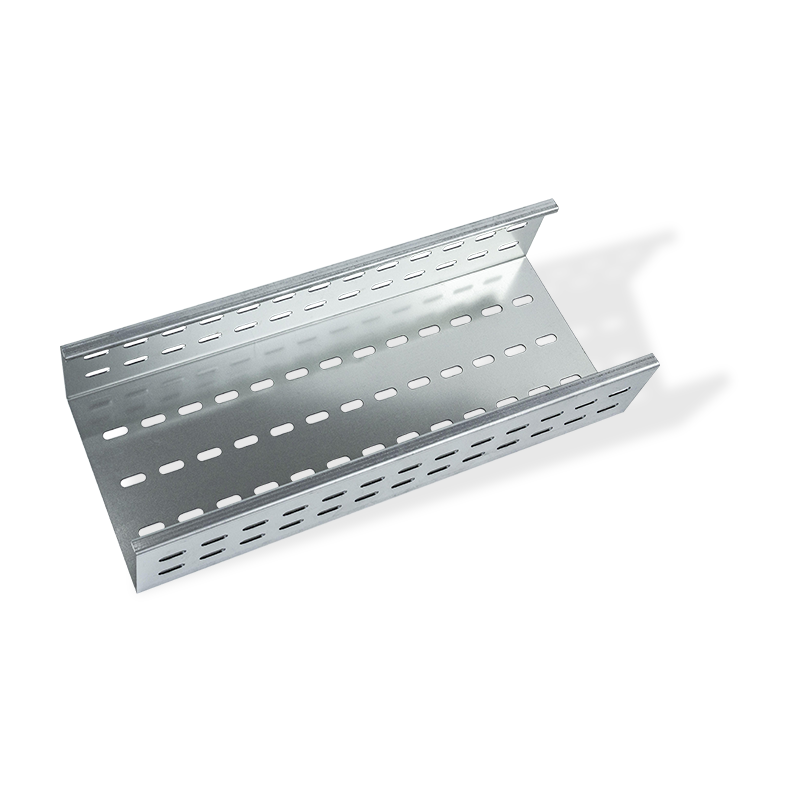
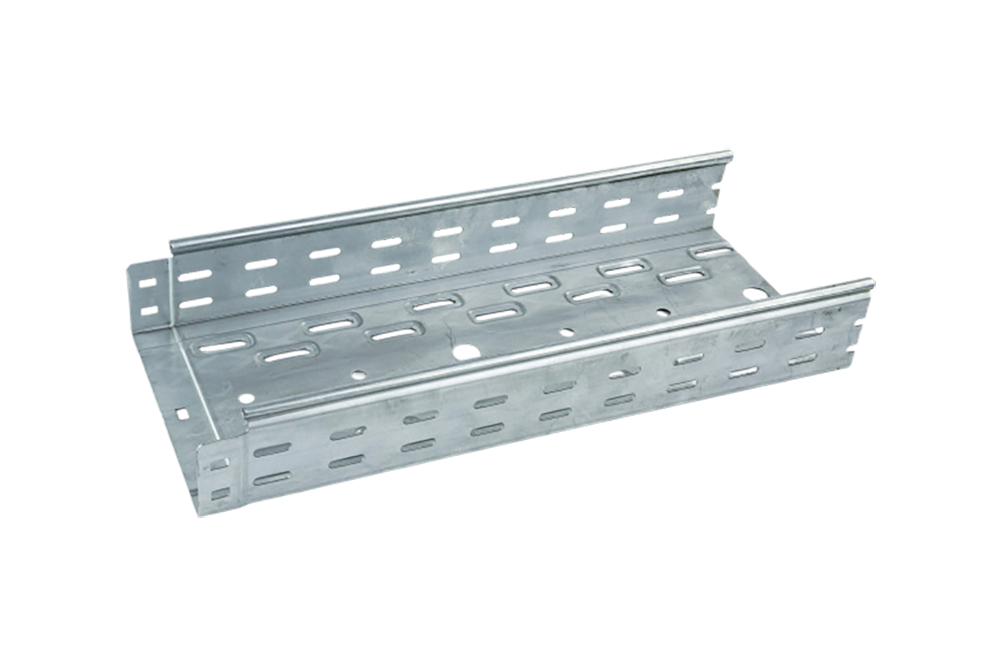
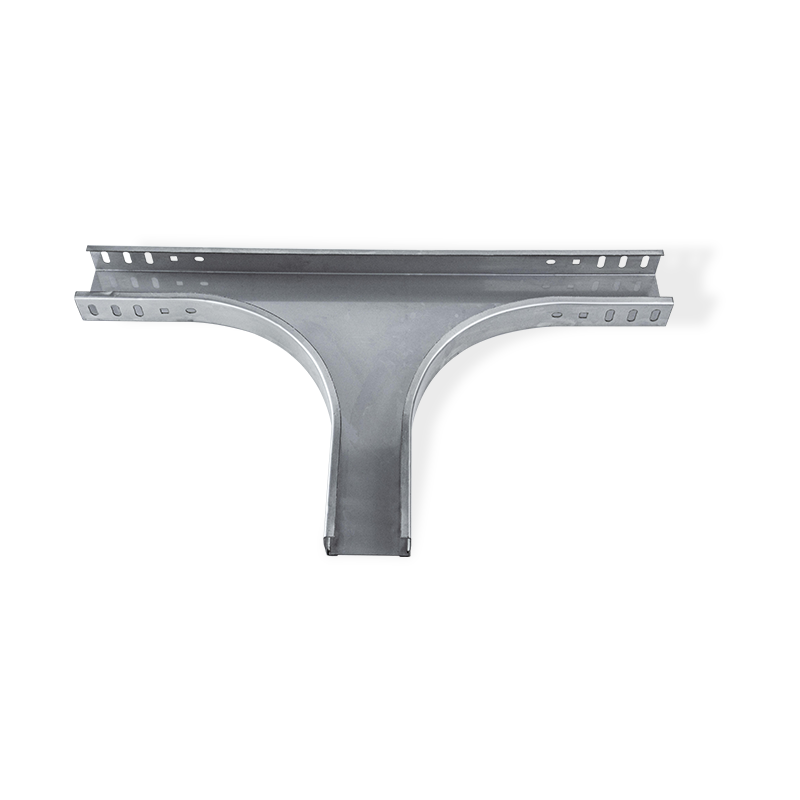
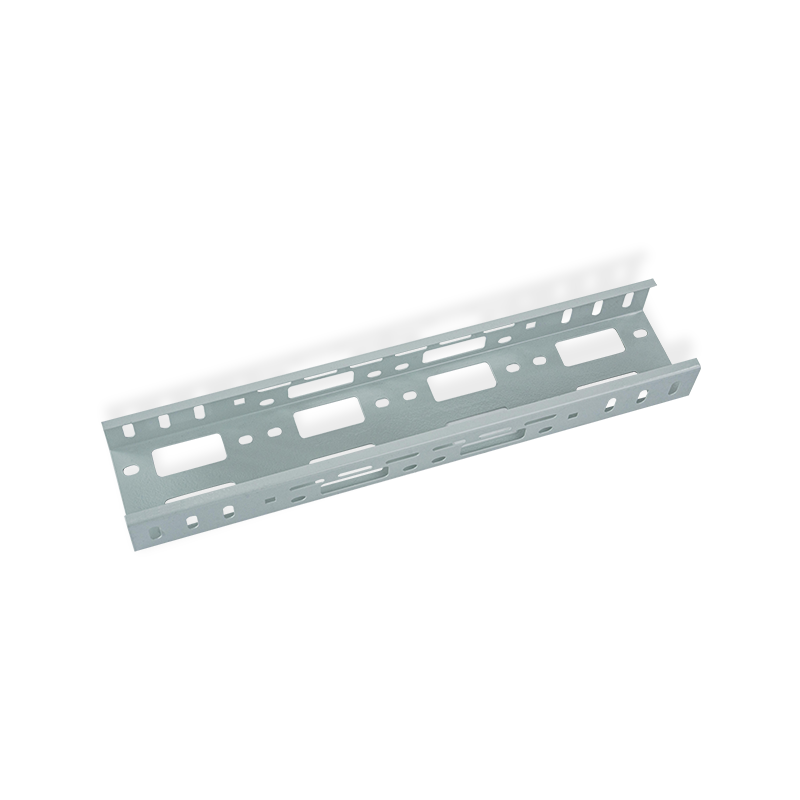

Youming Group is a manufacturing group company mainly engaged in the research and development of new high-strength cable tray
Product
- Wire Type Cable Tray Series
- Punched Type Cable Tray Series
- Trough Type Cable Tray Series
- Cable Rack Ladder Series
- Ladder Type Cable Tray Series
- Marine Cable Ladder Tray
- Strut Channel Cable Tray Series
- Accessories
- Fiber Cable Tray/Optic Cable Tray
- Photovoltaic Stents
- Stainless Steel Cable Tray Series
- Aluminum Alloy Cable Tray System
Contact information
-
No.36, Taidong Industrial Zone Shiyan Town, Dongtai City, Jiangsu Province
