


 Language
 English
 русский
 Español
 Português
 Deutsch
 عربى
عربى italiano
 Türk
Türk हिंदी
हिंदी Indonesia
 Tiếng Việt
If you need any help, please feel free to contact us

Strut Cable Tray vs. Traditional Ladder Tray: Which Cable Management System Offers Better Cost-Efficiency for Industrial Builds?
Content
- 1 1. Structural Versatility and Load Dynamics
- 2 2. Labor Costs and Installation Speed
- 3 3. Long-Term Maintenance and Durability
- 4 Conclusion: The Engineer's Recommendation
- 4.1 Frequently Asked Questions (FAQ)
- 4.1.1 1. Can I mix Strut Cable Tray components with existing ladder systems?
- 4.1.2 2. Is stainless steel strut cable tray necessary for indoor food processing?
- 4.1.3 3. How do I determine the best corrosive environments cable tray selection?
- 4.1.4 4. What are the benefits of modular strut cable tray systems in renewable energy?
- 4.1.5 5. Does Jiangsu Youming Group Co., Ltd. provide fireproof cable tray for industrial buildings?
- 4.2 Industry References
- 4.1 Frequently Asked Questions (FAQ)
In the complex environment of industrial electrical engineering, selecting a cable containment system is a critical decision that impacts both the initial capital expenditure (CAPEX) and long-term operational costs. For decades, the ladder type has been the default choice for heavy power cables, but the emergence of the Strut Cable Tray has redefined flexibility in modern infrastructure. Jiangsu Youming Group Co., Ltd., established in 2015, is a high-tech innovator based in Dongtai City with an annual production capacity exceeding 30,000 tons. Utilizing fully automatic production lines—including laser cutting and CNC turret punching—Jiangsu Youming Group Co., Ltd. specializes in advanced stainless steel strut cable tray and aluminum alloy solutions. This article provides a deep-dive engineering analysis on how to install strut cable tray systems and whether they provide superior cost-efficiency compared to traditional ladder designs in large-scale industrial projects.
1. Structural Versatility and Load Dynamics
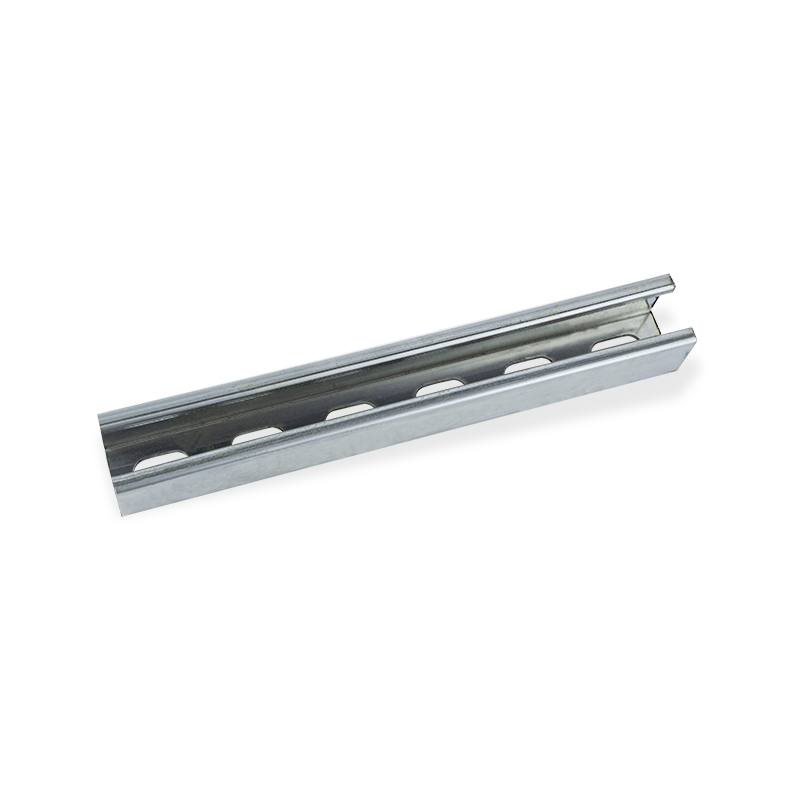
The primary technical difference lies in the mounting flexibility and the cable tray load capacity. A traditional ladder tray consists of two side rails connected by individual rungs, which is excellent for high-volume, heavy-duty power cables but offers limited attachment points for secondary instrumentation. Conversely, a Strut Cable Tray integrates the functionality of a support channel directly into the tray structure. While the ladder tray is optimized for heat dissipation in high-voltage lines, comparing strut vs ladder cable tray for industrial use reveals that the strut system allows for multi-tier configurations with 50% less hardware. When evaluating heavy duty strut cable tray specifications, engineers find that the integrated "continuous slot" design enables rapid mounting of conduit clamps and junction boxes without drilling, significantly reducing the bill of materials (BOM).
Load and Versatility Comparison
- Ladder Tray: Fixed geometry requires specific brackets; optimized for single-layer heavy power distribution.
- Strut Tray: Modular geometry supports integrated accessories; optimized for mixed-service environments (power, data, and pneumatic).
| Engineering Metric | Traditional Ladder Tray | Strut Cable Tray |
| Installation Flexibility | Moderate (Pre-drilled rungs only) | Exceptional (Continuous slot mounting) |
| Cable Tray Load Capacity | High (Span dependent) | High to Very High (Integrated strut strength) |
| Heat Dissipation | Excellent (Open air design) | Good (Slightly more metal surface area) |
2. Labor Costs and Installation Speed
Labor typically accounts for over 40% of the total cost in electrical installations. How to install strut cable tray systems efficiently is a major focus for project managers. Because the strut system serves as its own support structure, it eliminates many of the "trapeze" hangers required for standard trays. In corrosive environments cable tray selection, a hot-dip galvanized strut cable tray produced by Jiangsu Youming Group Co., Ltd. provides both the structural support and the cable path in one step. When comparing aluminum vs steel strut cable trays, aluminum offers a lightweight advantage that accelerates overhead installation, though steel remains the standard for maximum span lengths. The benefits of modular strut cable tray systems include a reduction in field-cutting and welding, which are the most time-consuming aspects of traditional ladder tray deployment.
Installation Sequence Efficiency
- Support Setup: Strut trays often require fewer independent support brackets due to their inherent rigidity.
- Component Integration: Cables and conduits are secured using standard strut clamps, reducing specialized hardware costs.
- Expansion: Adding a second tier is 30% faster with A-frame strut cable tray supports compared to ladder extensions.
| Cost Driver | Traditional Ladder System | Strut Cable Tray System |
| Hardware Variety | High (Splice plates, hangers, rungs) | Low (Standardized strut nuts and bolts) |
| Field Modification | Difficult (Requires specialized tools) | Easy (Standard hand tools for strut) |
| Labor Hours (per 100m) | Estimated 100% | Estimated 75% - 80% |
3. Long-Term Maintenance and Durability
For chemical and pharmaceutical plants, the stainless steel strut cable tray is the preferred choice for long-term ROI. Jiangsu Youming Group Co., Ltd. utilizes automatic welding and spraying lines to ensure a uniform protective finish, whether it is powder-coated strut cable tray or hot-dip galvanization. The fireproof cable tray for industrial buildings produced in our 26,000-square-meter workshop ensures that critical control circuits remain operational during thermal events. While the initial cost per foot of a Strut Cable Tray may be higher than a light-duty ladder tray, the strut cable tray price vs performance ratio is superior in cable management for telecommunication and power sectors where future-proofing and high-density cable packing are required. Furthermore, every batch undergoes quality inspection in our own testing center to ensure compliance with ISO 9001:2015 standards.
Conclusion: The Engineer's Recommendation
Ultimately, while traditional ladder trays remain effective for simple, high-voltage runs, the Strut Cable Tray offers far better cost-efficiency for modern, refined industrial builds. Its modularity reduces labor costs, simplifies hardware procurement, and offers unparalleled flexibility for future system expansions. Jiangsu Youming Group Co., Ltd. remains at the forefront of this industry, providing the technical backbone and high-quality manufacturing necessary for infrastructure, transportation, and power projects worldwide.
Frequently Asked Questions (FAQ)
1. Can I mix Strut Cable Tray components with existing ladder systems?
Yes, but it requires specialized transition splices. For maximum cable tray load capacity, it is recommended to maintain a consistent system throughout a single run to ensure uniform stress distribution.
2. Is stainless steel strut cable tray necessary for indoor food processing?
Yes. Stainless steel (304 or 316) is highly recommended for food and pharmaceutical fields to meet hygiene standards and resist harsh cleaning chemicals, a key area where Jiangsu Youming Group Co., Ltd. provides certified solutions.
3. How do I determine the best corrosive environments cable tray selection?
For coastal or chemical plants, hot-dip galvanized strut cable tray or stainless steel is mandatory. If weight is a concern, comparing aluminum vs steel strut cable trays will show that aluminum provides excellent corrosion resistance with less load on the building structure.
4. What are the benefits of modular strut cable tray systems in renewable energy?
In wind and photovoltaic power, the Strut Cable Tray allows for rapid adjustments in the field as equipment layouts change, significantly lowering the "Total Cost of Ownership" (TCO) over the project's 25-year lifespan.
5. Does Jiangsu Youming Group Co., Ltd. provide fireproof cable tray for industrial buildings?
Absolutely. We offer various specifications of fireproof and powder-coated series that have passed ISO 45001 and CE certifications, specifically designed for high-risk industrial communication and power sectors.
Industry References
- NEMA VE 1-2017: Metal Cable Tray Systems (Standard for load and testing).
- ISO 9001:2015 Quality Management System Standards for Cable Containment.
- IEC 61537: Cable management - Cable tray systems and cable ladder systems.
- Jiangsu Youming Group Co., Ltd. Internal Testing Data (2025 Annual Production Report).
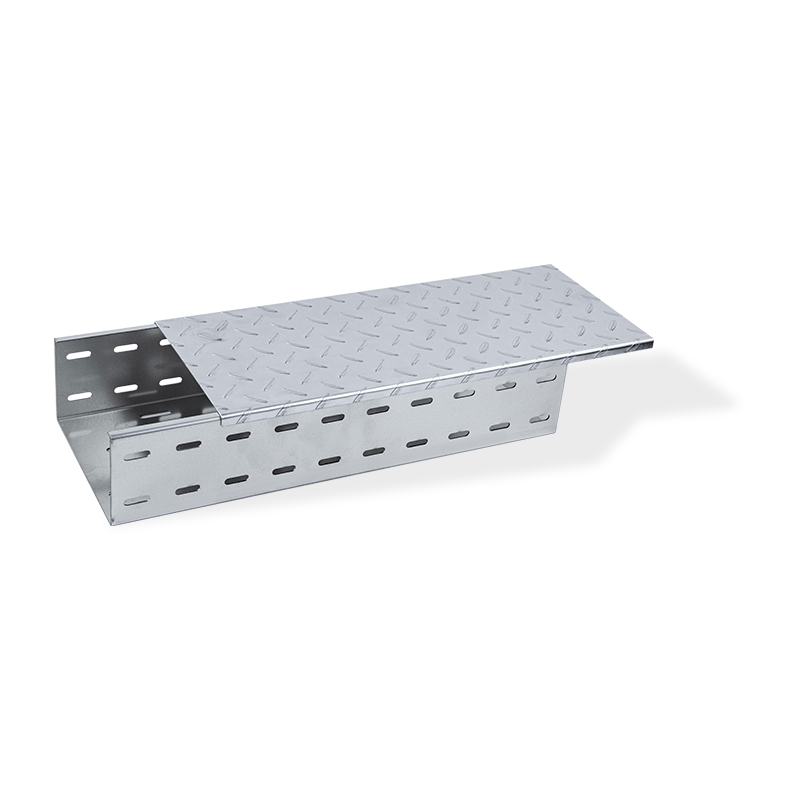

Youming Group is a manufacturing group company mainly engaged in the research and development of new high-strength cable tray
Product
- Wire Type Cable Tray Series
- Punched Type Cable Tray Series
- Trough Type Cable Tray Series
- Cable Rack Ladder Series
- Ladder Type Cable Tray Series
- Marine Cable Ladder Tray
- Strut Channel Cable Tray Series
- Accessories
- Fiber Cable Tray/Optic Cable Tray
- Photovoltaic Stents
- Stainless Steel Cable Tray Series
- Aluminum Alloy Cable Tray System
Contact information
-
No.36, Taidong Industrial Zone Shiyan Town, Dongtai City, Jiangsu Province
