


 Language
 English
 русский
 Español
 Português
 Deutsch
 عربى
عربى italiano
 Türk
Türk हिंदी
हिंदी Indonesia
 Tiếng Việt
If you need any help, please feel free to contact us

Top 5 Benefits of Using ventilated trough cable tray for Industrial Power Distribution
Content
- 1 1. Optimized Thermal Dissipation and Ampacity Ratings
- 2 2. Superior Load-Bearing Capacity and Structural Integrity
- 3 3. Enhanced Protection Against Environmental Contaminants
- 4 4. Material Versatility and Long-Term Durability
- 5 5. Cost-Efficiency through Simplified Installation and Maintenance
- 6 Technical Excellence from Jiangsu Youming Group
- 7 Frequently Asked Questions (FAQ)
- 7.1 Q1: How does a ventilated trough affect the ampacity of power cables?
- 7.2 Q2: What are the key differences in aluminum alloy ventilated trough specifications versus steel?
- 7.3 Q3: Does a ventilated trough cable tray require more maintenance?
- 7.4 Q4: Are these trays suitable for high-voltage industrial power distribution?
- 7.5 Q5: How does Jiangsu Youming Group ensure the quality of its corrosion-resistant ventilated cable management products?
In the complex landscape of industrial electrical engineering, selecting the right containment system is critical for operational safety and system longevity. As power densities increase in modern factories and infrastructure projects, the ventilated trough cable tray has emerged as the gold standard for balancing protection with performance. Leveraging advanced manufacturing from facilities like Jiangsu Youming Group Co., Ltd., these systems provide a sophisticated solution for high-demand environments.
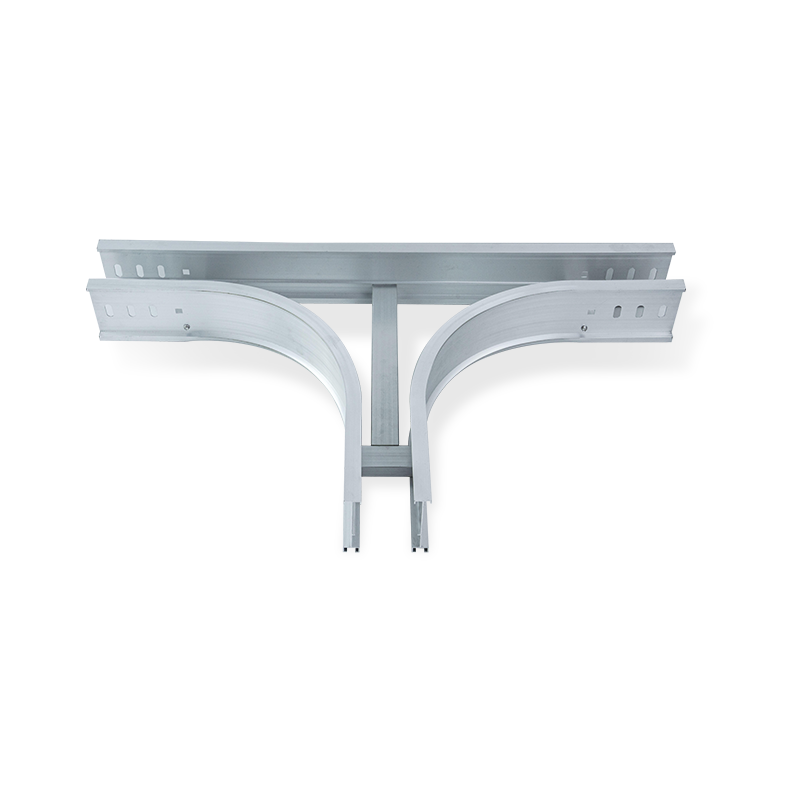
1. Optimized Thermal Dissipation and Ampacity Ratings
One of the primary challenges in industrial power distribution is the heat generated by high-voltage cables. Proper industrial cable tray thermal dissipation ensures that cables do not exceed their rated operating temperatures, which prevents insulation breakdown. Unlike solid-bottom trays that trap heat, the ventilated design allows for consistent airflow, effectively cooling the cable bundle.
When comparing heat retention across different tray types, ventilated models significantly outperform solid troughs by allowing convective heat transfer, while offering more protection than traditional ladder trays.
| Feature | Solid Bottom Trough | ventilated trough cable tray | Ladder Tray |
| Heat Dissipation Efficiency | Low (Heat Trapping) | Medium-High (Natural Convection) | High (Maximum Airflow) |
| Cable Ampacity Derating | Significant Derating Required | Minimal Derating | No Derating |
2. Superior Load-Bearing Capacity and Structural Integrity
For large-scale industrial deployments, heavy-duty ventilated cable tray systems are engineered to support massive weights over long spans. The structural ribbing and precise perforation patterns found in premium trays—such as those produced on automatic forming lines—ensure that the tray does not deflect under the weight of heavy power cables.
The ventilated trough cable tray load capacity is a critical metric for engineers. By utilizing high-grade materials like stainless steel and reinforced aluminum alloys, these trays maintain their shape even under peak mechanical stress.
| Material Type | Standard Steel | Reinforced Aluminum Alloy | 316 Stainless Steel |
| Load-to-Weight Ratio | Moderate | High | Very High |
| Structural Rigidity | High | Moderate-High | Exceptional |
3. Enhanced Protection Against Environmental Contaminants
While thermal management is vital, industrial cables often face threats from falling debris, moisture, and dust. The ventilated trough cable tray provides a continuous bottom surface with engineered openings, offering a shield that ladder trays cannot provide while preventing the moisture accumulation common in solid troughs.
- Prevents the build-up of explosive gases in chemical environments.
- Allows for drainage of condensation, reducing the risk of water-induced short circuits.
- Shields cables from physical impact from tools or falling objects during facility maintenance.
4. Material Versatility and Long-Term Durability
Depending on the installation site—be it a wind farm, a pharmaceutical plant, or a shipping vessel—the material choice is paramount. Understanding aluminum alloy ventilated trough specifications allows procurement specialists to select lightweight yet strong systems that resist salt-spray and oxidation.
For more aggressive environments, corrosion-resistant ventilated cable management solutions, such as hot-dip galvanized or powder-coated steel, ensure a service life exceeding 25 years.
| Environment | Recommended Finish | Corrosion Resistance Level |
| Indoor Warehouse | Powder Coated / Pre-galvanized | Standard |
| Chemical/Marine | Stainless Steel / Aluminum Alloy | Extreme |
| Outdoor Infrastructure | Hot-Dip Galvanized (HDG) | High |
5. Cost-Efficiency through Simplified Installation and Maintenance
The total cost of ownership for a ventilated trough cable tray is often lower than alternative methods. The lightweight nature of modern heavy-duty ventilated cable tray systems reduces the labor required for overhead installation. Furthermore, the ventilation holes serve as convenient points for cable ties and fastening, accelerating the wiring process.
Technical Excellence from Jiangsu Youming Group
Founded in 2015, Jiangsu Youming Group Co., Ltd. is a high-tech enterprise at the forefront of the cable tray industry. Based in the Taidong Industrial Park, our 26,000-square-meter facility houses fully automatic production lines, including laser cutting, CNC punching, and automatic welding. With an annual capacity of 30,000 tons and ISO 9001, 14001, and CE certifications, we ensure that every ventilated trough cable tray meets the highest global standards for power, communication, and infrastructure applications.

Frequently Asked Questions (FAQ)
Q1: How does a ventilated trough affect the ampacity of power cables?
A ventilated trough increases the allowable ampacity compared to a solid-bottom tray. Because the perforations allow for air circulation, the heat generated by the electrical resistance of the cable is dissipated more effectively. This means you can often use smaller conductor sizes for the same load, potentially saving significant costs on copper or aluminum cabling.
Q2: What are the key differences in aluminum alloy ventilated trough specifications versus steel?
Aluminum alloy trays are approximately 50% lighter than steel, making them ideal for installations where weight is a concern, such as on bridges or offshore platforms. While steel offers higher absolute rigidity, aluminum provides superior natural corrosion resistance without the need for additional coatings, making it a "fit and forget" solution for many industrial sites.
Q3: Does a ventilated trough cable tray require more maintenance?
No, it generally requires less. The ventilation holes prevent the accumulation of moisture and dust that can occur in solid troughs. Regular inspections are simplified because the cables are partially visible through the perforations, allowing for thermal imaging and visual checks without removing covers.
Q4: Are these trays suitable for high-voltage industrial power distribution?
Absolutely. heavy-duty ventilated cable tray systems are specifically designed to manage the mechanical and thermal stresses of high-voltage cables. They provide the necessary spacing and airflow to manage "hot spots" and are often used in power plants, substations, and heavy manufacturing facilities.
Q5: How does Jiangsu Youming Group ensure the quality of its corrosion-resistant ventilated cable management products?
We operate an in-house testing center where every batch of raw material and every finished product undergoes rigorous quality inspection. From longitudinal shearing to automatic spraying, our process is monitored to ensure compliance with ISO standards and EU CE certification, guaranteeing reliability in the most demanding fields like metallurgy, shipping, and chemical processing.
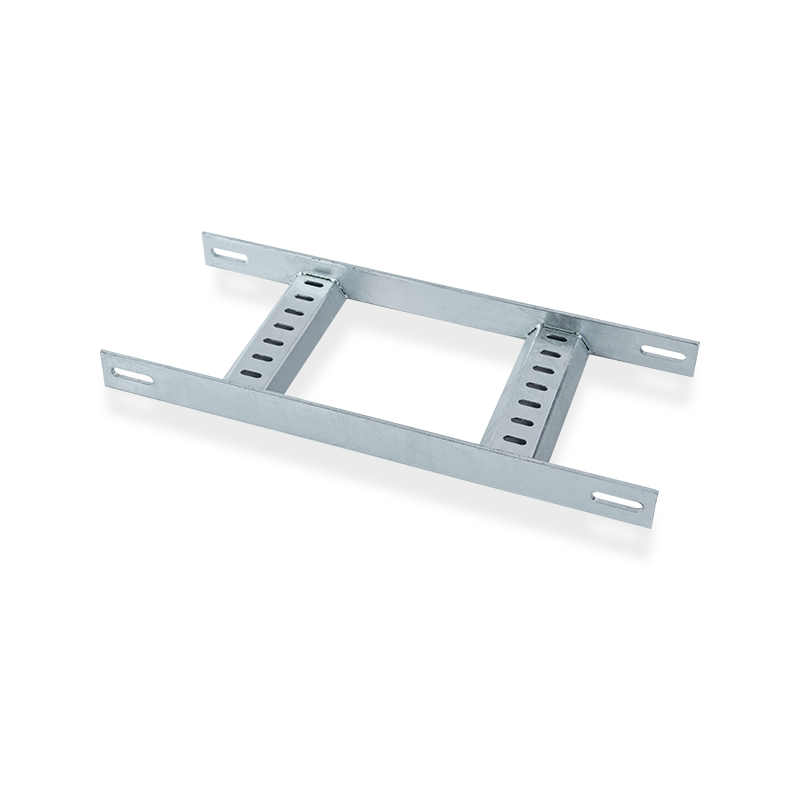
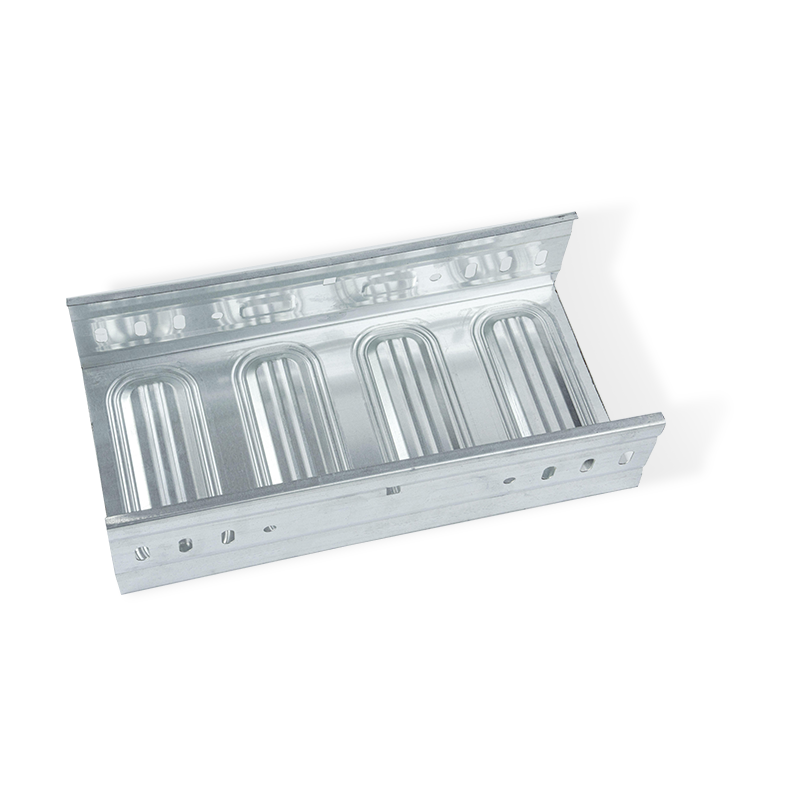
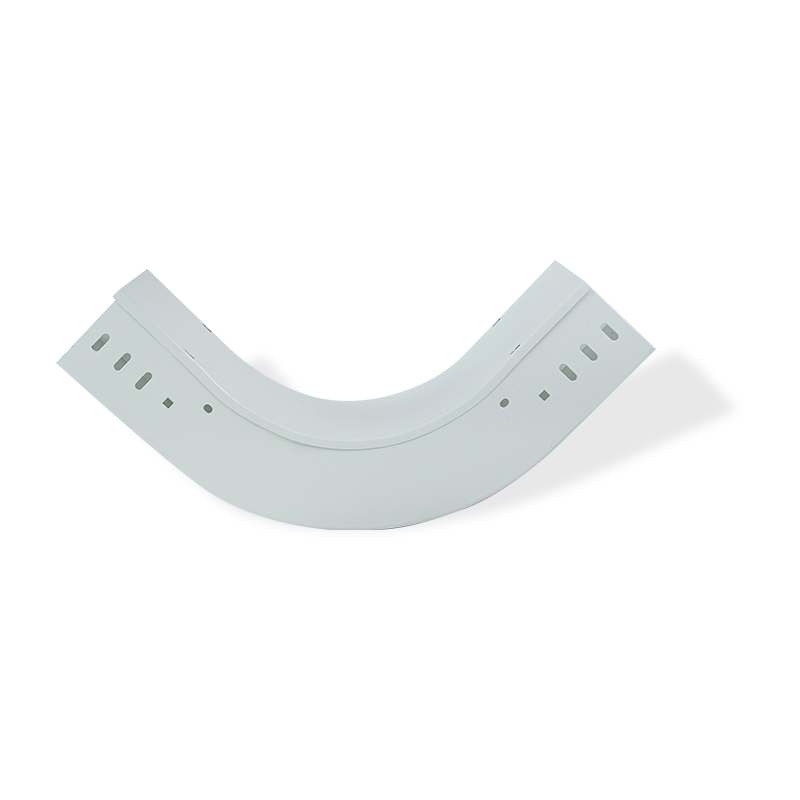

Youming Group is a manufacturing group company mainly engaged in the research and development of new high-strength cable tray
Product
- Wire Type Cable Tray Series
- Punched Type Cable Tray Series
- Trough Type Cable Tray Series
- Cable Rack Ladder Series
- Ladder Type Cable Tray Series
- Marine Cable Ladder Tray
- Strut Channel Cable Tray Series
- Accessories
- Fiber Cable Tray/Optic Cable Tray
- Photovoltaic Stents
- Stainless Steel Cable Tray Series
- Aluminum Alloy Cable Tray System
Contact information
-
No.36, Taidong Industrial Zone Shiyan Town, Dongtai City, Jiangsu Province
