


 Language
 English
 русский
 Español
 Português
 Deutsch
 عربى
عربى italiano
 Türk
Türk हिंदी
हिंदी Indonesia
 Tiếng Việt
If you need any help, please feel free to contact us

Does Your Ladder Rack for Wire Provide Essential Bend Radius Protection?
Content
- 1 I. The Technical Significance of Minimum Bend Radius
- 2 II. Essential Accessories for Bend Radius Management
- 3 III. Material Science and Manufacturing Precision
- 4 IV. Installation Standards for Engineers
- 5 V. Why Choose Jiangsu Youming Group Co., Ltd.?
- 6 Frequently Asked Questions (FAQ)
- 6.0.1 1. How does a "Waterfall" accessory improve cable life on a ladder rack?
- 6.0.2 2. Is an aluminum cable ladder rack better than steel for fiber optics?
- 6.0.3 3. Can I use a heavy duty cable ladder rack for small-diameter wires?
- 6.0.4 4. What are the advantages of a stainless steel cable ladder in corrosive environments?
- 6.0.5 5. Does a commercial wire cable tray require specialized grounding for safety?
- 6.1 Technical Data Summary
In the realm of high-density data centers and industrial telecommunications, the structural integrity of a ladder rack for wire is only half the battle. For engineers and infrastructure managers, the primary concern is the preservation of signal quality. As cable categories evolve from Cat6 to Cat6A and high-performance fiber optics, managing the "Minimum Bend Radius" (MBR) has become a critical technical requirement. A failure to maintain this radius leads to micro-fissures in glass fibers or "crosstalk" in copper, resulting in costly downtime and data loss.
Jiangsu Youming Group Co., Ltd., an innovative high-tech enterprise established in 2015, understands these technical nuances. Operating out of a 26,000-square-meter facility with an annual capacity exceeding 30,000 tons, we specialize in high-precision cable management systems that exceed industry standards for cable protection.
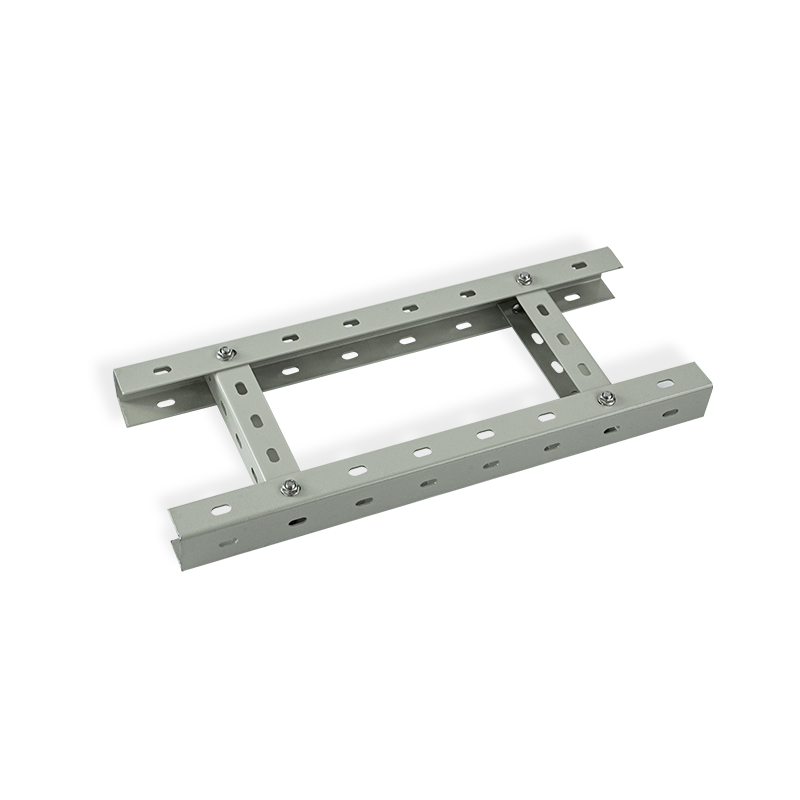
I. The Technical Significance of Minimum Bend Radius
The minimum bend radius is the smallest radius a cable can be bent without being damaged. Standard industry guidelines generally suggest a radius of 4 times the cable diameter for copper and up to 10-20 times for fiber. When choosing a ladder rack for wire, the inclusion of specific cable ladder rack accessories is non-negotiable for professional installations.
Comparison: Standard Rungs vs. Radius-Controlled Rungs
Standard flat rungs provide support but offer no protection at the point where a cable drops into a server rack. Radius-controlled components solve this by providing a curved surface.
| Feature | Standard Flat Rung | Radius-Controlled Component (Waterfall) |
| Primary Function | Linear support only | Gradual transition and drop support |
| Stress Distribution | Concentrated at the edge | Uniformly distributed along the curve |
| Cable Safety | Risk of insulation pinching | Zero-stress cable flow |
II. Essential Accessories for Bend Radius Management
To ensure a compliant ladder rack for wire installation, engineers must look for specific aluminum cable ladder rack configurations or specialized steel add-ons. The most critical of these is the "Waterfall" or "Drop-out" fitting.
- Cable Drop-Outs (Waterfalls): These attach to the rungs and provide a smooth, curved exit path for cables transitioning from horizontal to vertical runs.
- Corner Radius Dividers: Used at 90-degree junctions to prevent cables from being pulled tightly against the inner corner of the tray.
- T-Junction Radius Shields: Specifically designed for heavy duty cable ladder rack systems where high-volume cable bundles intersect.
III. Material Science and Manufacturing Precision
At Jiangsu Youming Group Co., Ltd., we utilize fully automatic production lines, including CNC turret punching and laser cutting, to ensure that every ladder rack for wire has smooth, burr-free edges. This is particularly important for stainless steel cable ladder systems, where sharp edges could easily slice through cable jackets during the pulling process.
Material Selection Impact on Maintenance
The choice of material affects the friction coefficient during cable pulling, which in turn impacts the tension applied to the cable's internal structure.
| Material Type | Surface Friction | Best Use Case |
| Aluminum cable ladder rack | Low (Natural Smoothness) | Data Centers & Telecommunications |
| Hot-dip Galvanized Steel | Medium (Rougher Texture) | Industrial & Outdoor Infrastructure |
| Powder-coated Steel | Very Low (Slick Surface) | Indoor refined cable management |
IV. Installation Standards for Engineers
When deploying a ladder rack for wire, the installation team must adhere to strict geometric constraints. For commercial wire cable tray applications, the spacing of the rungs and the height of the side rails play a pivotal role in maintaining the "sag" of the cable, which indirectly affects the bend radius at support points.
- Rung Spacing: Standard 9-inch spacing is typical, but high-density fiber may require 6-inch spacing to prevent excessive drooping.
- Mounting Hardware: The use of specialized J-bolts and splice plates ensures the structural continuity of the radius-control path.
V. Why Choose Jiangsu Youming Group Co., Ltd.?
With a registered capital of 50 million RMB and ISO 9001:2015 certification, Jiangsu Youming Group Co., Ltd. has established itself at the forefront of the industry. Our testing center ensures that every ladder rack for wire leaving our factory—whether it is a heavy duty cable ladder rack for a power plant or a stainless steel cable ladder for a chemical facility—meets the highest quality inspections. Our R&D team of over 50 technical experts continuously innovates to provide comprehensive selection services that prioritize the safety of your network infrastructure.
Frequently Asked Questions (FAQ)
1. How does a "Waterfall" accessory improve cable life on a ladder rack?
A Waterfall accessory provides a smooth, sweeping curve for cables as they exit the ladder rack for wire. By maintaining the minimum bend radius, it prevents the internal copper pairs or glass fibers from kinking, which extends the life of the cable and maintains high-speed data transmission.
2. Is an aluminum cable ladder rack better than steel for fiber optics?
Aluminum cable ladder rack systems are often preferred for fiber optics because they are naturally lighter, easier to install, and typically have a smoother finish which reduces the risk of snagging fragile fiber jackets during installation.
3. Can I use a heavy duty cable ladder rack for small-diameter wires?
Yes, a heavy duty cable ladder rack is suitable for all wire sizes. However, for smaller wires, you must ensure the rung spacing is close enough (or use a solid bottom liner) to prevent the cables from sagging through the rungs, which could violate bend radius rules.
4. What are the advantages of a stainless steel cable ladder in corrosive environments?
A stainless steel cable ladder offers superior resistance to chemical and salt exposure. From a technical standpoint, its high tensile strength allows for longer spans between supports while maintaining a rigid path that protects cable geometry in harsh industrial settings.
5. Does a commercial wire cable tray require specialized grounding for safety?
Absolutely. Every commercial wire cable tray installation must be properly grounded to ensure electrical safety and to minimize electromagnetic interference (EMI), which can degrade signal performance just as much as a poor bend radius.
Technical Data Summary
| Metric | Value / Specification |
| Annual Production Capacity | > 30,000 Tons |
| Certifications | ISO 9001, ISO 14001, ISO 45001, CE |
| Material Options | Stainless Steel, Aluminum Alloy, HDG, Powder Coated |
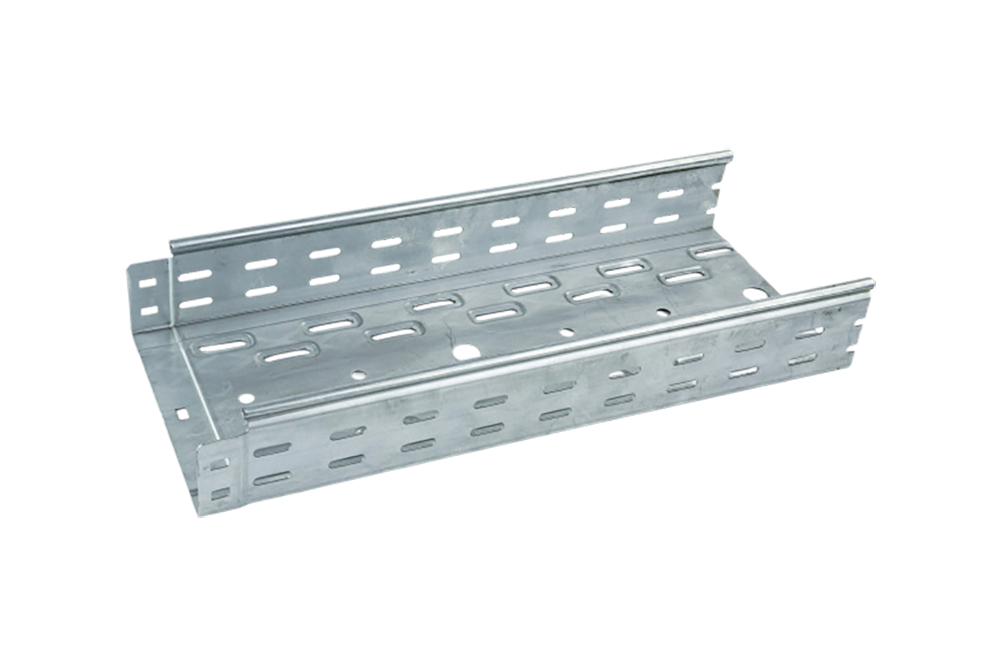
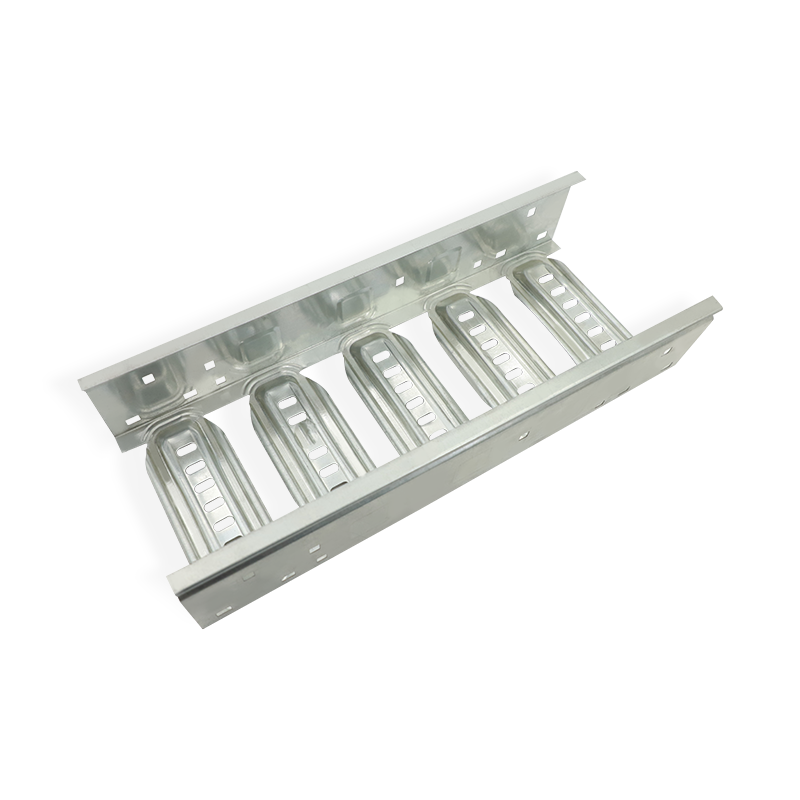
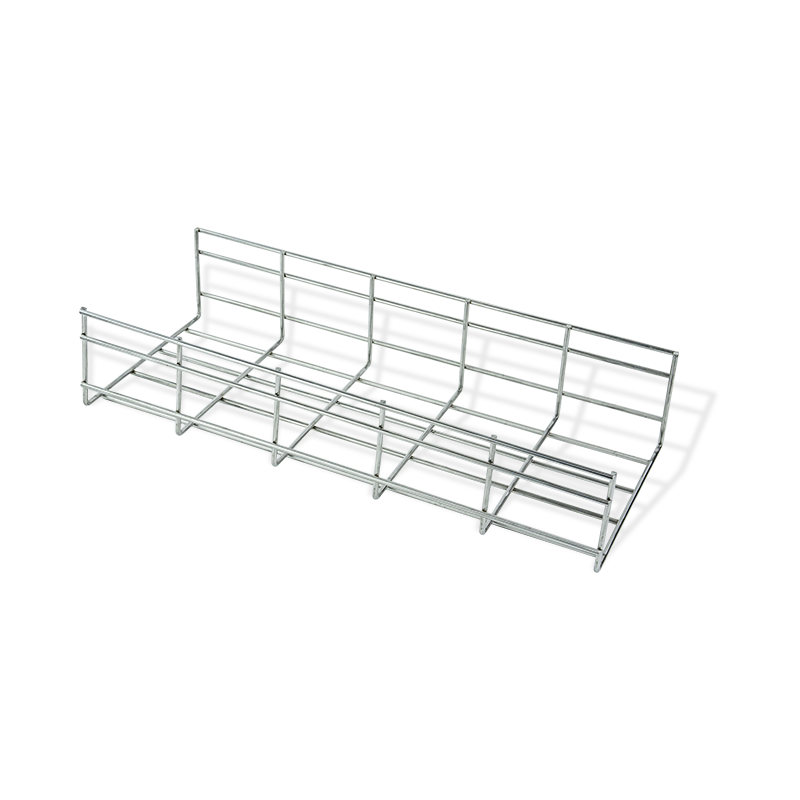
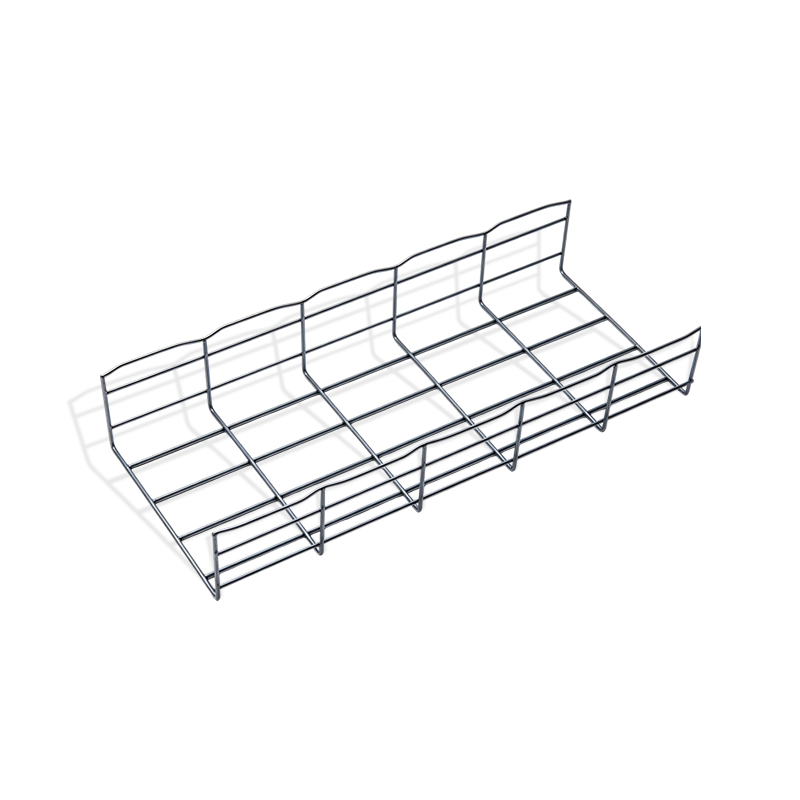

Youming Group is a manufacturing group company mainly engaged in the research and development of new high-strength cable tray
Product
- Wire Type Cable Tray Series
- Punched Type Cable Tray Series
- Trough Type Cable Tray Series
- Cable Rack Ladder Series
- Ladder Type Cable Tray Series
- Marine Cable Ladder Tray
- Strut Channel Cable Tray Series
- Accessories
- Fiber Cable Tray/Optic Cable Tray
- Photovoltaic Stents
- Stainless Steel Cable Tray Series
- Aluminum Alloy Cable Tray System
Contact information
-
No.36, Taidong Industrial Zone Shiyan Town, Dongtai City, Jiangsu Province
