


 Language
 English
 русский
 Español
 Português
 Deutsch
 عربى
عربى italiano
 Türk
Türk हिंदी
हिंदी Indonesia
 Tiếng Việt
If you need any help, please feel free to contact us

Trough Type Anti-Slip Cable Tray: The Ultimate Guide to Safety and Performance
Content
- 1 What is a Trough Type Anti-Slip Cable Tray?
- 2 Key Benefits of Using Anti-Slip Cable Trays
- 3 Top 5 Applications for Trough Type Anti-Slip Trays
- 4 How to Choose the Right Anti-Slip Cable Tray
- 5 Installation Best Practices for Maximum Safety
- 6
- 7 FAQ
- 7.1 What is the difference between a Trough type and a ladder type cable tray?
- 7.2 Can anti-slip cable trays be used outdoors?
- 7.3 How do I calculate the load capacity needed for my project?
- 7.4 Are there specific standards that govern anti-slip cable trays?
- 7.5 What maintenance is required for an anti-slip cable tray system?
In the complex world of cable management, safety and reliability are non-negotiable. Enter the Trough Type Anti slip Cable Tray, a specialized solution engineered to prevent cables from slipping and falling, even in the most demanding environments. Unlike standard ladder-type trays, the Trough-type design features a solid or ventilated bottom with integrated anti-slip properties, providing a secure bed for cables. This guide delves deep into the benefits, applications, and selection criteria for these essential systems, helping you make an informed decision to enhance the integrity and safety of your cable installations.
What is a Trough Type Anti-Slip Cable Tray?
A Trough Type Anti-Slip Cable Tray is a robust support system designed with a primary focus on cable retention. The "Trough type" refers to its structure, which often includes a solid or heavily serrated bottom that cables pass "Trough" securely, rather than resting on rungs. The anti-slip characteristic is achieved Trough various means, such as raised tread patterns, serrations, or specialized coatings that significantly increase the coefficient of friction between the cable and the tray surface. This design is crucial for vertical runs, inclined installations, and areas subject to vibration, where the risk of cable slippage is highest. The fundamental purpose is to provide a continuous, secure pathway that organizes cables while mitigating the risks associated with movement.
- Enhanced Safety: Dramatically reduces the risk of cables dislodging and causing tripping hazards or damage.
- Cable Protection: Prevents abrasion and wear on cable jackets that can occur from sliding on smooth surfaces.
- Load Stability: Ensures the cable load remains evenly distributed, maintaining the structural integrity of the tray system.
- Versatility: Suitable for a wide range of environments, from industrial plants to commercial buildings.
Key Benefits of Using Anti-Slip Cable Trays
The decision to implement an anti-slip cable tray system extends far beyond simple cable organization. It is a proactive investment in operational safety, longevity, and compliance. The unique design of these trays addresses several critical pain points encountered in traditional cable management, offering tangible benefits that impact the entire lifecycle of an installation. By locking cables in place, these systems prevent a cascade of potential issues, from minor maintenance headaches to major operational failures.
- Prevention of Cable Damage: Minimizes stress on cables at termination points and prevents jacket abrasion, leading to a longer service life.
- Improved Worker Safety: Eliminates the danger of falling cables in overhead installations, protecting personnel and equipment below.
- Reduced Maintenance Costs: With cables securely held in position, the need for frequent re-adjustment and inspection is significantly lowered.
- Compliance with Standards: Helps in meeting stringent safety codes and regulations that mandate secure cable support in specific settings.
Comparing Anti-Slip Trays with Standard Ladder Trays
While both ladder-type and Trough-type trays have their place, understanding their differences is key to selecting the right product. Standard ladder trays are cost-effective and offer excellent ventilation, making them ideal for horizontal runs with low risk of movement. However, their open-rung design is a liability where cables could slip. Trough Type Anti slip Cable Tray systems, with their solid or serrated bed, provide the necessary security that ladder trays lack. The choice often boils down to the specific application, the angle of installation, and the environmental factors present.
| Feature | Trough Type Anti-Slip Tray | Standard Ladder Tray |
| Primary Design | Solid/Serrated bottom surface | Open rungs with cross-bars |
| Cable Retention | Excellent | Poor to Fair |
| Ventilation | Moderate (if ventilated) | Excellent |
| Ideal Application | Vertical runs, inclines, high-vibration areas | Long, horizontal runs with minimal slope |
| Cost Consideration | Generally higher due to more material and design | Generally lower, more economical |
Top 5 Applications for Trough Type Anti-Slip Trays
The unique security offered by these trays makes them indispensable in several high-stakes scenarios. If you're searching for the best applications for Trough type anti slip cable tray, you are likely dealing with an environment where cable movement is a genuine concern. From managing the constant hum of industrial machinery to navigating the complex vertical shafts in a high-rise, these trays provide a reliable solution. Their use is a mark of a well-designed, safety-conscious infrastructure project.
- Industrial Manufacturing Plants: With heavy machinery causing constant vibration, cables must be secured to prevent fatigue and failure.
- Power Generation and Substations: Critical power cables are protected from slippage, ensuring uninterrupted energy distribution.
- Telecommunications Data Centers: While often using other tray types for horizontal runs, anti-slip trays are vital for vertical risers and under-floor applications with slight slopes.
- Mining and Quarrying Operations: Harsh environments with significant incline and decline sections demand the utmost in cable security.
- Transportation Hubs (Airports, Rail): Used in cable pits and along elevated pathways to ensure safety and reliability in public infrastructure.
How to Choose the Right Anti-Slip Cable Tray
Selecting the appropriate Trough type anti slip cable tray is a nuanced process that requires careful consideration of several technical and environmental factors. A well-informed choice ensures optimal performance, safety, and cost-efficiency. It's not just about picking a product off the shelf; it's about matching the tray's capabilities to the specific demands of your project. This involves analyzing the cable load, the installation environment, and the required safety certifications.
- Load Capacity: Calculate the total weight of all cables (including future additions) to select a tray with adequate load-bearing capacity and appropriate support spacing.
- Material and Corrosion Resistance: Choose from materials like pre-galvanized steel, stainless steel, or aluminum based on the environment (e.g., outdoor, corrosive, or cleanroom settings).
- Anti-Slip Mechanism: Evaluate the type of anti-slip surface (e.g., serrated, grit-coated) to ensure it provides sufficient friction for your cable types.
- Fire Performance: For installations requiring enhanced safety, consider trays with fire-resistant properties or certifications.
- Installation and Maintenance Ease: Consider the tray's connection system, weight, and accessibility for future cable additions or modifications.
Understanding Load Capacity and Tray Selection
A critical aspect of the selection process is accurately determining the load capacity. An undersized tray will sag over time, compromising the anti-slip feature and potentially damaging cables. The key is to understand the difference between the tray's own strength and the total distributed load it can support between spans. This is where understanding the load capacity of Trough type anti slip cable trays becomes paramount for a safe and durable installation.
| Tray Material | Typical Load Capacity Range | Ideal Span Between Supports |
| Aluminum | Light to Medium | Shorter spans (e.g., 1.5 - 3 meters) |
| Pre-Galvanized Steel | Medium to Heavy | Standard spans (e.g., 3 - 4.5 meters) |
| Stainless Steel 304/316 | Medium to Heavy | Standard spans, with superior corrosion resistance |
Installation Best Practices for Maximum Safety
Proper installation is just as important as selecting the right tray. Even the highest-quality Trough type anti slip cable tray will underperform if installed incorrectly. Following best practices ensures that the system functions as intended, providing decades of reliable service. This involves meticulous planning of the support structure, correct handling of the trays, and careful placement of the cables themselves. For those looking for a reliable Trough type anti slip cable tray supplier, it is advisable to choose one that provides comprehensive installation guidelines and technical support.
- Proper Support Spacing: Adhere strictly to the manufacturer's recommended maximum span between supports to prevent sagging.
- Secure Connections: Ensure all splice plates and connection hardware are tightened to the specified torque to maintain mechanical continuity and grounding integrity.
- Avoid Overfilling: Do not exceed the recommended fill capacity. Overfilling can reduce the effectiveness of the anti-slip surface and impede heat dissipation.
- Grounding and Bonding: Properly ground the entire tray system to protect against fault currents and ensure electrical safety.
- Consider Expansion Joints: In long runs or environments with large temperature swings, include expansion joints to accommodate thermal expansion and contraction.

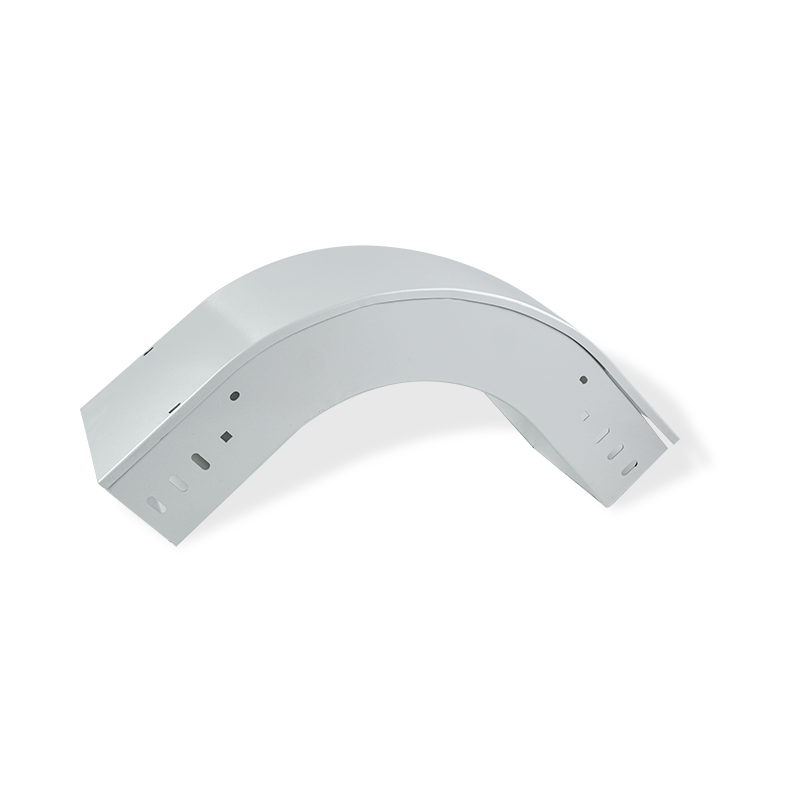
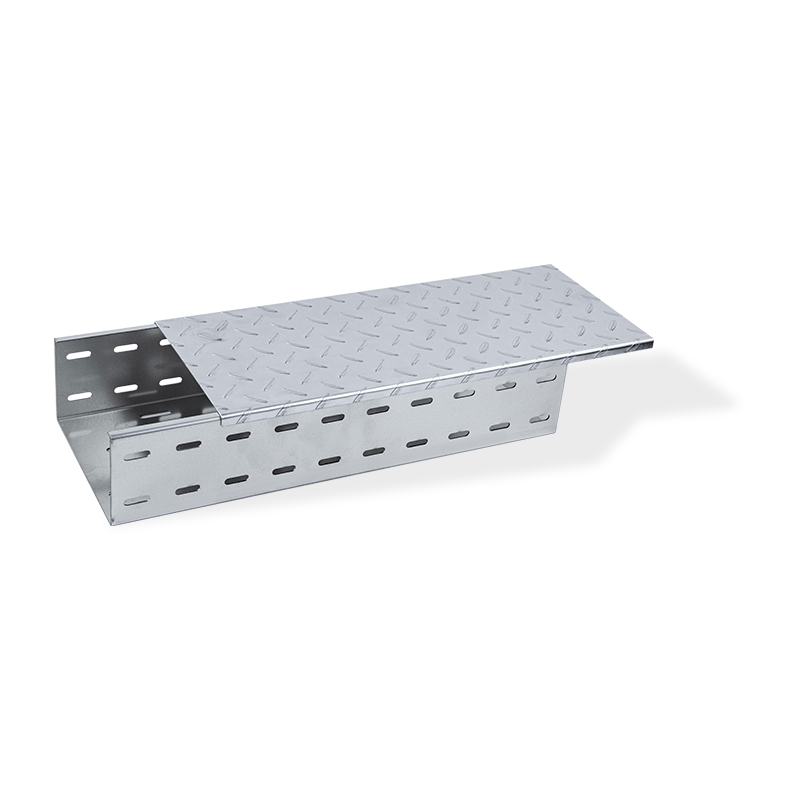
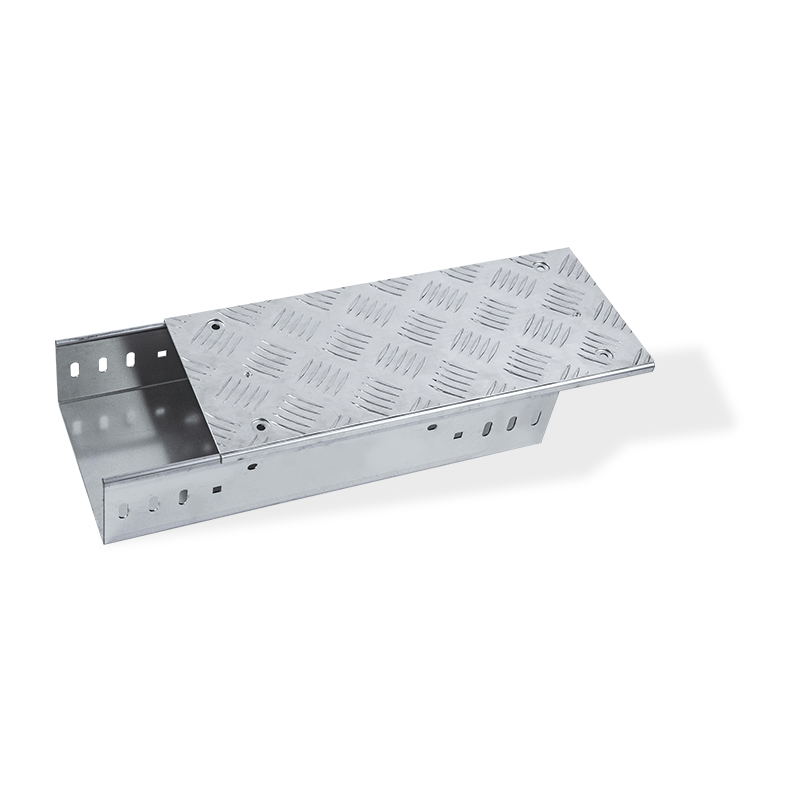
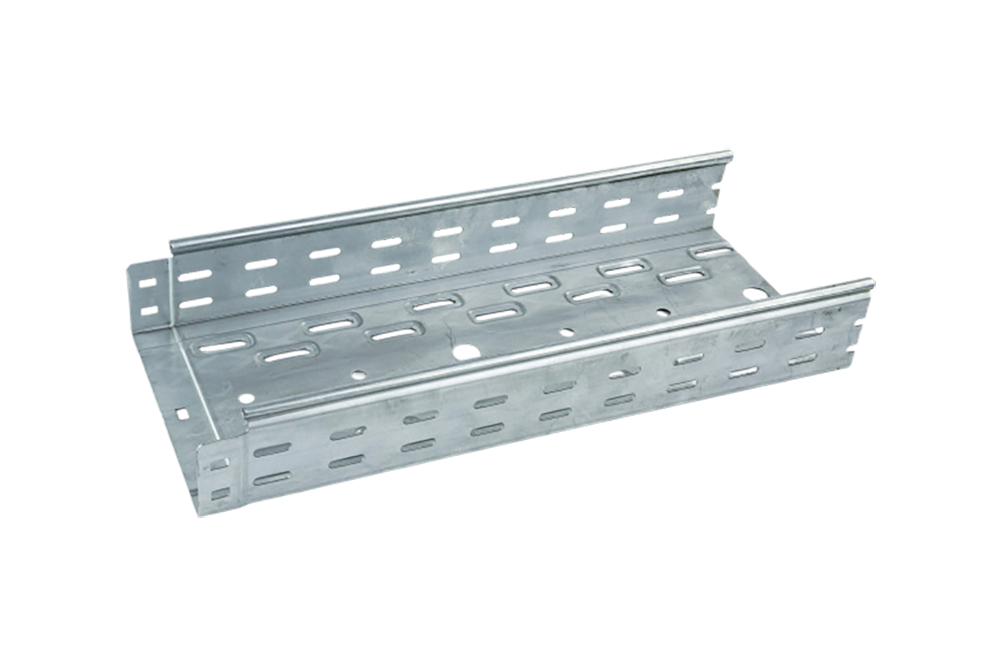
Galvabized steel cable trunking tray with cover
FAQ
What is the difference between a Trough type and a ladder type cable tray?
The fundamental difference lies in the design of the tray bed. A ladder-type cable tray consists of two side rails connected by individual cross-bars, resembling a ladder. This offers excellent ventilation but provides minimal resistance to cable slippage. A Trough Type Anti slip Cable Tray typically features a solid, serrated, or heavily ventilated bottom sheet that provides a continuous surface for the cables to rest on. This design is inherently better at preventing cables from sliding, especially on inclines or in vibrating environments, making it the superior choice for safety-critical applications.
Can anti-slip cable trays be used outdoors?
Yes, absolutely. Many Trough type anti slip cable trays are specifically designed for outdoor use. The key is to select the appropriate material to withstand environmental challenges. For outdoor installations, aluminum (which naturally forms a protective oxide layer) or hot-dip galvanized steel (which has a thick, durable zinc coating) are excellent choices due to their high corrosion resistance. Stainless steel (e.g., Type 316) is the premium option for highly corrosive environments, such as coastal areas or chemical processing plants.
How do I calculate the load capacity needed for my project?
Calculating the required load capacity is a two-step process. First, determine the total weight of all the cables you plan to install. This includes the weight per meter of each cable type, multiplied by its length. Remember to account for future expansion by adding a capacity margin (e.g., 20-25%). Second, consult the load-span charts provided by the Trough type anti slip cable tray supplier or manufacturer. These charts show the maximum allowable load for a given tray at different support spacings. Your total calculated cable weight must be less than this rated capacity to ensure a safe and reliable installation that maintains its anti-slip properties.
Are there specific standards that govern anti-slip cable trays?
Yes, several international and national standards provide guidelines for the design, testing, and installation of cable tray systems, including their anti-slip properties. Key standards include IEC 61537, which specifies requirements for cable tray systems and cable ladder systems, and NEMA VE 1 in North America. These standards often include tests for mechanical strength, load capacity, and sometimes surface properties. When selecting a tray, verifying compliance with relevant standards is a strong indicator of quality and reliability, ensuring the product meets recognized safety and performance benchmarks.
What maintenance is required for an anti-slip cable tray system?
Maintenance for a properly installed Trough type anti slip cable tray system is generally minimal. The primary tasks involve periodic visual inspections to check for any signs of physical damage, corrosion, or loose connections. It's also important to ensure that the anti-slip surface remains free of oil, grease, or other contaminants that could reduce its friction. Inspections should be conducted after any significant environmental event, like an earthquake or severe storm, and whenever new cables are added to the system to verify that the load limits have not been exceeded and the cables remain securely in place.

Youming Group is a manufacturing group company mainly engaged in the research and development of new high-strength cable tray
Product
- Wire Type Cable Tray Series
- Punched Type Cable Tray Series
- Trough Type Cable Tray Series
- Cable Rack Ladder Series
- Ladder Type Cable Tray Series
- Marine Cable Ladder Tray
- Strut Channel Cable Tray Series
- Accessories
- Fiber Cable Tray/Optic Cable Tray
- Photovoltaic Stents
- Stainless Steel Cable Tray Series
- Aluminum Alloy Cable Tray System
Contact information
-
No.36, Taidong Industrial Zone Shiyan Town, Dongtai City, Jiangsu Province
