


 Language
 English
 русский
 Español
 Português
 Deutsch
 عربى
عربى italiano
 Türk
Türk हिंदी
हिंदी Indonesia
 Tiếng Việt
If you need any help, please feel free to contact us

Modular Strut Cable Tray System Optimization for Data Center Deployment
Content
Jiangsu Youming Group Co., Ltd., a high-tech enterprise established in 2015 and based in the Taidong Industrial Park, specializes in the R&D and precision manufacturing of advanced cable management solutions. With an annual production capacity exceeding 30,000 tons and a 26,000-square-meter production facility, the company utilizes fully automatic forming, welding, and laser cutting lines to deliver high-performance infrastructure components. In high-density data centers, the Strut Cable Tray serves as a critical structural element, providing the necessary rigidity and modularity required for complex overhead and underfloor cabling architectures.
Mechanical Stability and Load-Bearing Parameters in High-Density Environments
The efficiency of a data center often hinges on its ability to support heavy copper and fiber optic bundles without structural deflection. Utilizing a heavy-duty strut support system ensures that the tray maintains its geometric integrity under maximum fill capacity. At Jiangsu Youming Group Co., Ltd., every product undergoes rigorous testing in an in-house center to verify compliance with ISO 9001:2015 standards. Engineers must calculate the cable tray load capacity per meter to prevent sagging, which can lead to signal attenuation or physical damage to sensitive networking equipment. By adhering to ASTM standards for steel thickness and zinc coating weights, our modular systems provide a reliable foundation for long-term scalability.
Rapid Installation via Modular Component Integration
Traditional welding and drilling on-site are no longer viable in fast-track data center construction. A modular approach utilizes pre-galvanized strut channel dimensions that allow for rapid assembly using spring nuts, beam clamps, and cantilever brackets. To understand how to install strut cable tray effectively, technicians prioritize a "bolt-on" methodology. This significantly reduces labor hours compared to traditional fabrication. By integrating strut channel accessories for cable management, such as plastic conduit clamps and drop-out plates, installers can maintain minimum bend radii for fiber cables while accelerating the overall deployment timeline.
Thermal Management and Airflow Optimization Patterns
In high-density server environments, heat dissipation is as critical as physical support. Perforated strut tray ventilation allows for vertical airflow, preventing heat pockets from forming beneath cable runs. Unlike solid-bottom troughs, the ventilated design ensures that the cable mass does not obstruct the Cold Aisle/Hot Aisle containment systems. When analyzing the strut cable tray vs ladder rack trade-offs, the tray system offers superior continuous support for smaller diameter patch cords while maintaining sufficient open area for cooling. This balance is vital for maintaining the operational temperature of high-speed switches and storage arrays.
Corrosion Resistance and Surface Treatment Selection
Data centers require clean environments, but the risk of "zinc whiskers" or oxidation must be mitigated. Jiangsu Youming Group Co., Ltd. provides various surface treatments, including powder coating and hot-dip galvanized strut tray durability options. For indoor controlled environments, a stainless steel strut cable tray is often the best material for data center cable trays due to its non-magnetic properties and zero risk of zinc discharge. The choice of finish directly impacts the lifecycle of the infrastructure, especially in facilities utilizing evaporative cooling or located in coastal regions.
Comparison of Technical Specifications for Cable Tray Finishes
Before selecting a specific model, it is necessary to evaluate the environmental conditions against material performance. The following comparison highlights the mechanical and chemical resistance of common finishes used in modular systems.
| Finish Type | Coating Thickness (um) | Salt Spray Resistance (Hours) | Primary Application Environment |
| Pre-Galvanized (PG) | 12 - 20 | 72 - 120 | Indoor, Climate-Controlled |
| Hot-Dip Galvanized (HDG) | 60 - 85 | 500 - 1000 | Outdoor, Industrial, or Humid |
| Powder Coated | 60 - 100 | Variable | Aesthetic, Color-Coded ID |
| Stainless Steel (SS304/316) | N/A | 2000+ | Cleanroom, Chemical, Marine |
Grounding and Electrical Continuity Protocols
Ensuring electrical safety requires a robust cable tray grounding and bonding strategy. Modular strut systems must be electrically continuous to act as an Equipment Grounding Conductor (EGC). Using UL-listed splice plates and bonding jumpers at every expansion joint ensures a low-impedance path to ground. Jiangsu Youming Group Co., Ltd. ensures that all tray components meet the necessary conductivity requirements, supporting the safety of both the equipment and the onsite technical personnel.
High-Hardness FAQ
Q1: What is the maximum allowable deflection for a Strut Cable Tray under full load?
A1: According to NEMA VE 1 standards, the maximum deflection should not exceed 1/200th of the span length when the tray is loaded to its rated capacity.
Q2: Can different metals be mixed in a modular strut assembly?
A2: Mixing dissimilar metals, such as aluminum trays with galvanized steel brackets, is discouraged due to galvanic corrosion. Always use isolation pads or compatible coatings.
Q3: How does the 41x41mm strut profile affect cable volume?
A3: The 41x41mm profile is the industry standard, providing a deep channel that allows for high-density cable stacking while maintaining structural rigidity over 3-meter spans.
Q4: Is fireproof coating necessary for data center cable trays?
A4: While the tray itself is non-combustible, fireproof/intumescent coatings are used in specific zones to maintain circuit integrity for 30, 60, or 90 minutes during a thermal event.
Q5: What is the benefit of the automatic riveting lines used by Jiangsu Youming Group Co., Ltd.?
A5: Automatic riveting ensures consistent joint strength and eliminates the thermal stress zones created by traditional welding, resulting in a more dimensionally stable tray.
Technical References
- ISO 9001:2015 - Quality Management Systems - Requirements.
- NEMA VE 1-2017 - Metal Cable Tray Systems (National Electrical Manufacturers Association).
- IEC 61537:2006 - Cable management - Cable tray systems and cable ladder systems.
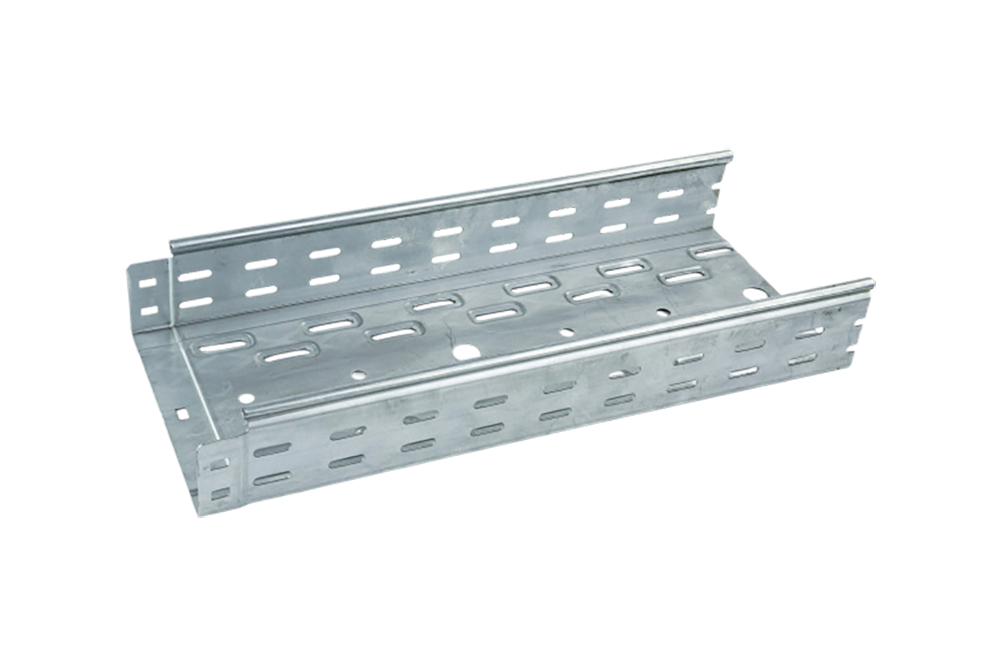
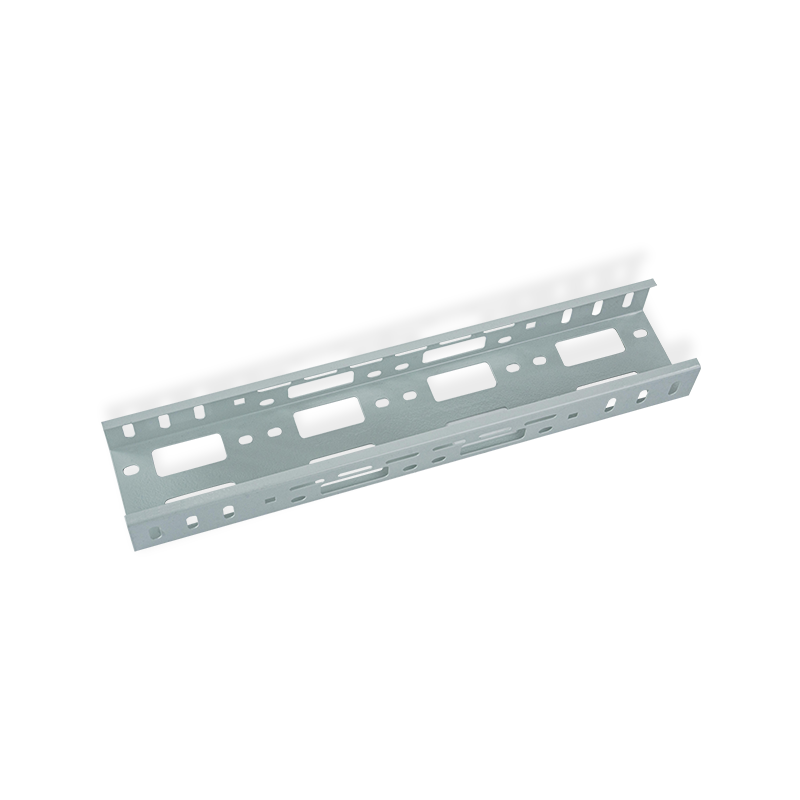
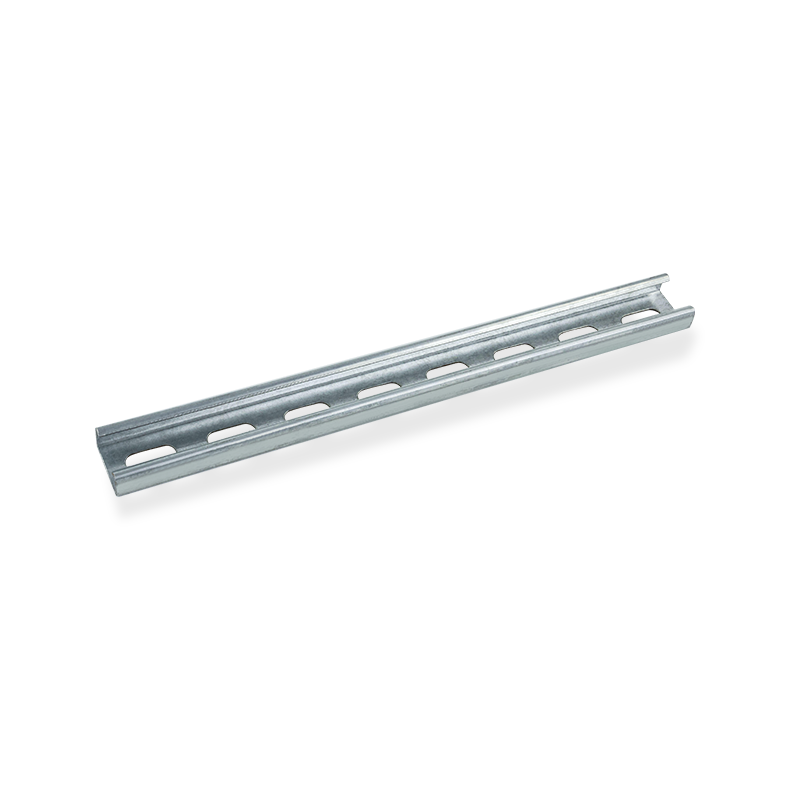
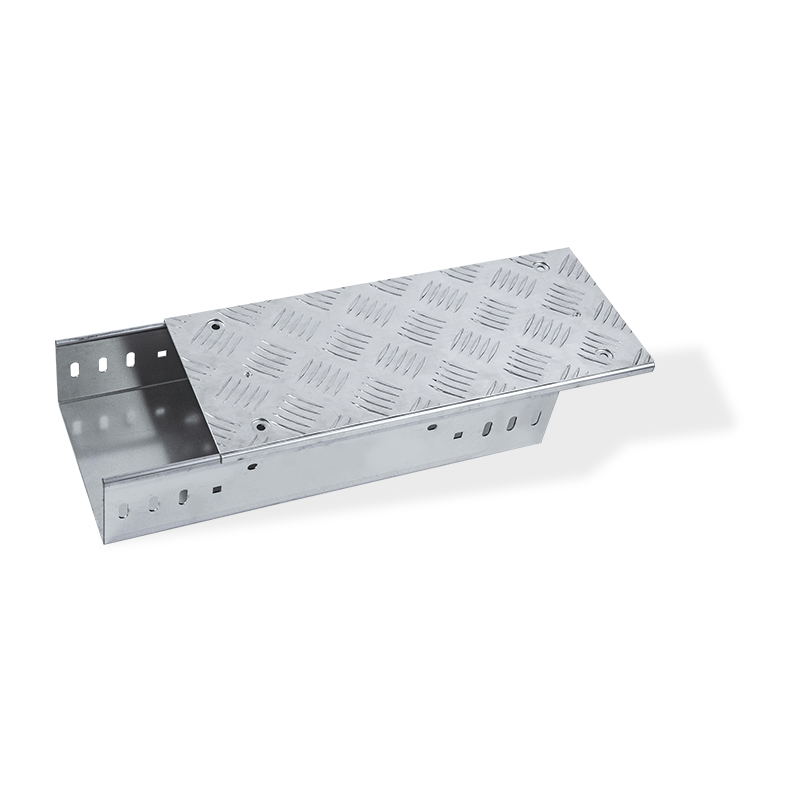

Youming Group is a manufacturing group company mainly engaged in the research and development of new high-strength cable tray
Product
- Wire Type Cable Tray Series
- Punched Type Cable Tray Series
- Trough Type Cable Tray Series
- Cable Rack Ladder Series
- Ladder Type Cable Tray Series
- Marine Cable Ladder Tray
- Strut Channel Cable Tray Series
- Accessories
- Fiber Cable Tray/Optic Cable Tray
- Photovoltaic Stents
- Stainless Steel Cable Tray Series
- Aluminum Alloy Cable Tray System
Contact information
-
No.36, Taidong Industrial Zone Shiyan Town, Dongtai City, Jiangsu Province
