


 Language
 English
 русский
 Español
 Português
 Deutsch
 عربى
عربى italiano
 Türk
Türk हिंदी
हिंदी Indonesia
 Tiếng Việt
If you need any help, please feel free to contact us

How to Choose the Right Aluminum Alloy Cable Tray for Your Electrical Systems
Content
Selecting the optimal cable management solution is a critical decision for any electrical project. Aluminum alloy cable tray systems have become a premier choice for engineers and contractors, offering a unique combination of strength, light weight, and exceptional corrosion resistance. This comprehensive guide will delve into the key factors you need to consider to ensure you select the perfect aluminum alloy cable tray that guarantees safety, efficiency, and longevity for your specific application, from industrial plants to data centers.
Understanding Aluminum Alloy Cable Tray and Its Key Advantages
Before diving into the selection process, it's crucial to understand what sets aluminum alloy apart. Unlike steel, aluminum naturally forms a protective oxide layer, making it highly resistant to rust and corrosion. This intrinsic property, combined with strategic alloying with elements like magnesium and silicon, results in a material that is both strong and remarkably lightweight. These characteristics translate into significant benefits on the job site and over the lifespan of the installation.
- Superior Corrosion Resistance: Ideal for harsh environments such as chemical plants, coastal areas, and wastewater treatment facilities where moisture and corrosive agents are present.
- Lightweight: Weighs approximately one-third the weight of steel, making it easier to handle, transport, and install, thereby reducing labor costs and installation time.
- High Strength-to-Weight Ratio: Modern alloys provide excellent structural integrity and load-bearing capacity despite the reduced weight.
- Non-Magnetic and Non-Sparking: A crucial safety feature for environments with sensitive electronic equipment or potential explosive atmospheres.
- Long-Term Value: While sometimes having a higher initial cost than steel, its durability and minimal maintenance requirements often lead to a lower total cost of ownership.
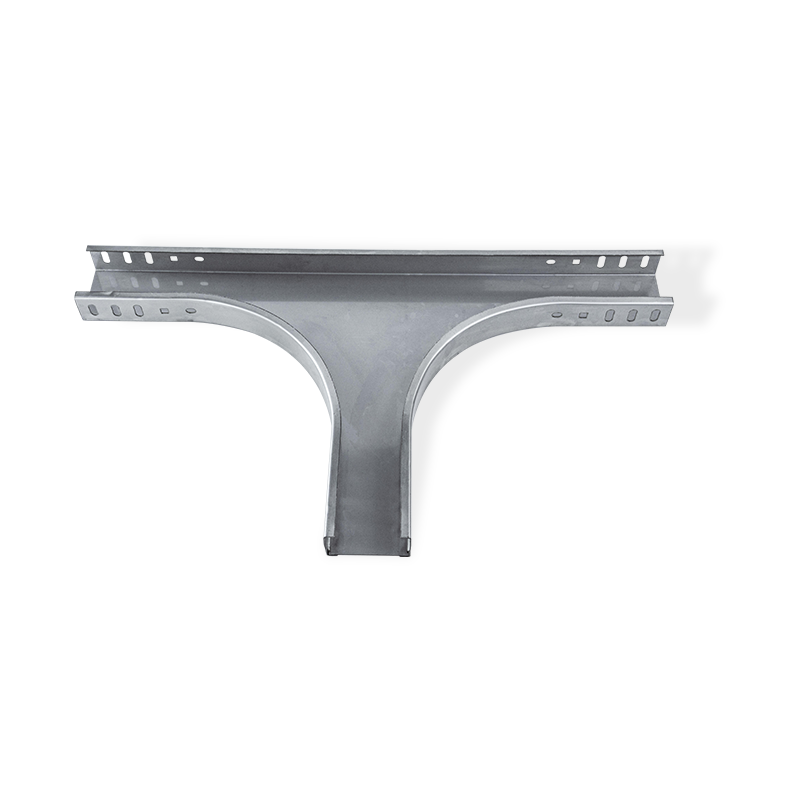
Stainless steel cable trunking elbow tee accessories
5 Key Factors to Consider When Choosing Your Cable Tray
The selection process involves a careful evaluation of your project's specific demands. A well-chosen tray system will provide reliable service for decades, while an incorrect choice can lead to safety hazards and costly replacements. The following factors form the foundation of a sound decision-making process, ensuring your electrical infrastructure is supported effectively and efficiently.
1. Load Capacity and Cable Tray Type
The primary function of a cable tray is to safely support the weight of your cables. You must calculate the total weight of all cables that will be placed in the tray, including any potential future additions. This total weight, divided by the tray's span length, gives you the required load capacity. Different tray designs are engineered for varying load ratings, so matching the type to your calculated load is paramount for structural integrity.
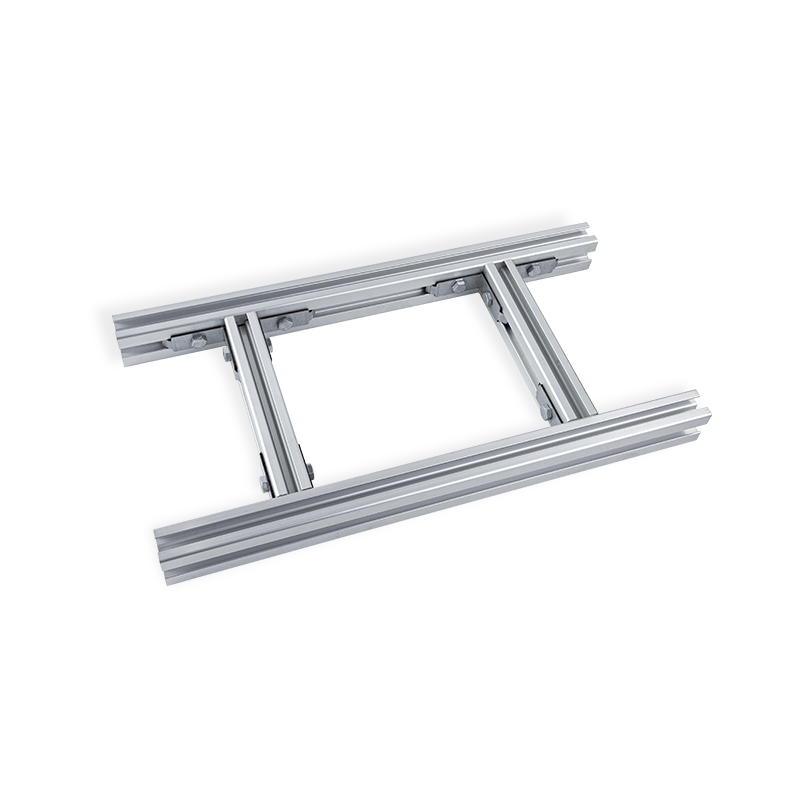
- Ladder-Type: Offers the highest strength and maximum ventilation, ideal for supporting large-diameter power cables over long spans.
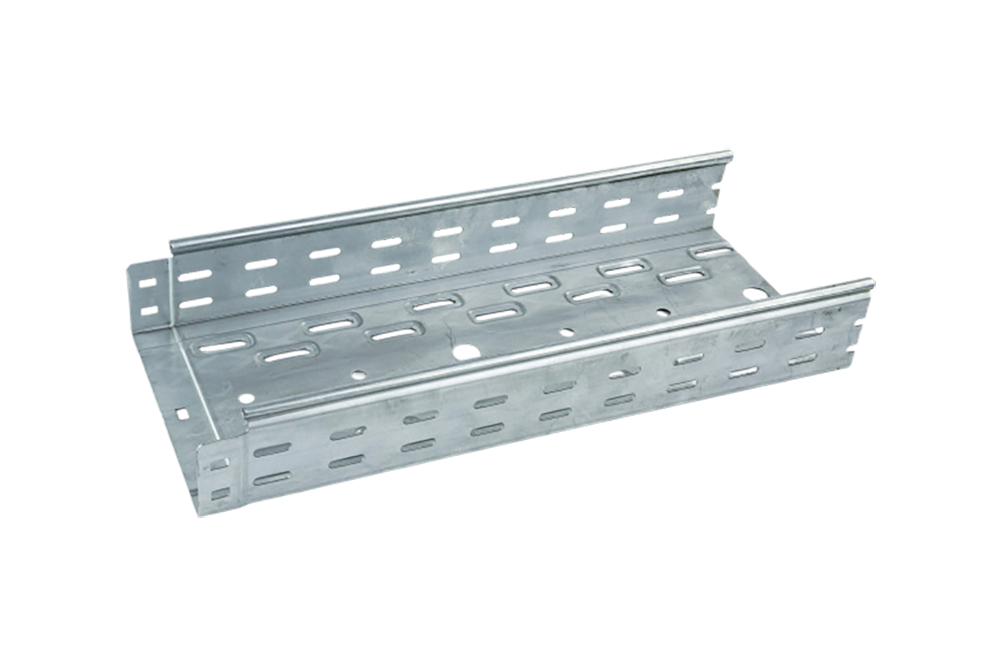
- Trough-Type: Provides solid side rails and a corrugated bottom, offering good cable support and protection with better containment than ladder-type.
- Solid-Bottom: Provides maximum protection against dust, moisture, and electromagnetic interference (EMI), suitable for critical data cables.
- Wire-Mesh: Extremely lightweight and flexible, perfect for light-duty applications and frequently changing cable layouts.
| Tray Type | Best For | Approx. Load Capacity | Ventilation |
| Ladder | Heavy power cables, long spans | Very High | Excellent |
| Trough | Medium power & control cables | High | Good |
| Solid-Bottom | Data cables, harsh environments | Medium-High | Poor |
| Wire-Mesh | Light-duty, frequent changes | Light | Very Good |
2. Environmental and Corrosion Considerations
The environment where the aluminum cable tray will be installed is perhaps the most critical factor. Aluminum's natural corrosion resistance is a major advantage, but the level of exposure dictates the specific alloy or finish required. Assessing factors like humidity, chemical exposure, temperature extremes, and presence of salts will guide you toward the most durable and cost-effective solution for your setting.
- Mild Indoor Environments: Standard mill-finish aluminum alloy is typically sufficient.
- High Humidity/Coastal Areas: Alloys with higher corrosion resistance (e.g., 5000 or 6000 series) are recommended. Anodized or powder-coated finishes provide an extra layer of protection.
- Chemical Exposure: For severe chemical environments, specify a tray with a specialized chemical-resistant coating.
- Temperature Extremes: Aluminum maintains its properties well across a wide temperature range, but thermal expansion must be considered in design.
3. Size, Fill Ratio, and Future Expansion
Choosing the correct physical size of the tray involves more than just fitting today's cables. National and international standards, such as the National Electrical Code (NEC), provide guidelines on maximum fill ratios—typically 50% for power cables and 40% for control cables. Furthermore, a prudent design always allocates space for future expansion, avoiding the need for a complete system overhaul later. This foresight is a key aspect of aluminum tray selection for scalable projects.
- Calculate the total cross-sectional area of all initial cables.
- Select a tray whose interior cross-sectional area is at least double the area of your initial cables (for a 50% fill ratio).
- Consider using wider trays or multiple tiers to accommodate future growth.
- Always adhere to local codes and regulations regarding cable fill and derating factors.
4. Installation and Maintenance Requirements
The ease of installation and long-term maintenance needs are significant contributors to the total project cost. Aluminum alloy cable tray is favored for its lightweight nature, which simplifies lifting, positioning, and securing. Consider the complexity of the cable run, the available mounting points, and the need for specialized fittings. A well-planned system minimizes installation time and ensures long-term accessibility for maintenance and additions. Understanding the aluminum tray installation process beforehand is crucial for planning.
- Lightweight trays reduce the need for heavy lifting machinery.
- Modular designs with pre-engineered fittings (elbows, tees, reducers) speed up assembly.
- Plan for expansion joints in long runs to accommodate thermal expansion and contraction.
- Ensure the design allows easy access for adding, removing, or inspecting cables.
5. Compliance with Industry Standards and Codes
Ensuring your cable tray system complies with all relevant industry standards is non-negotiable for safety and performance. These standards govern everything from material composition and load testing to fire performance and installation practices. Using compliant products protects you from liability and ensures the system will perform as expected. This is a fundamental step in the aluminum cable tray guide for any professional.
- NEMA (National Electrical Manufacturers Association): Standards like NEMA VE 1 cover general requirements and product testing.
- UL (Underwriters Laboratories): Look for UL Classified products, which have been tested for specific performance criteria.
- IEEE (Institute of Electrical and Electronics Engineers): Standards like IEEE 383 cover fire endurance testing.
- NEC (National Electrical Code): Provides guidelines for safe installation practices, including fill ratios and grounding.
Comparing Aluminum Alloy to Alternative Materials
While aluminum is an excellent choice, it's important to understand how it stacks up against other common materials like steel and stainless steel. Each material has its own set of properties, advantages, and ideal use cases. This comparison allows for a fully informed material selection based on the specific technical and budgetary requirements of the project.
| Material | Pros | Cons | Ideal Use Case |
| Aluminum Alloy | Lightweight, excellent corrosion resistance, non-magnetic, good strength | Higher initial cost than steel, can be softer and more susceptible to physical damage | Most industrial, commercial, and coastal applications; data centers |
| Galvanized Steel | High strength, low initial cost | Heavy, zinc coating can wear off, leading to rust; magnetic | Dry, indoor industrial applications on a tight budget |
| Stainless Steel | Superior corrosion and chemical resistance, very strong | Very high cost, very heavy, magnetic | Extreme environments: chemical processing, food & beverage, pharmaceuticals |
FAQ
What is the weight difference between aluminum and steel cable tray?
Aluminum alloy cable tray typically weighs about one-third of the weight of an equivalent steel tray. For example, where a 6-inch wide steel ladder tray might weigh 3 pounds per foot, an aluminum version would weigh approximately 1 pound per foot. This significant weight reduction simplifies handling, reduces shipping costs, and lessens the structural load on supporting structures, making it a key factor in aluminum tray selection for both new builds and retrofits.
Does aluminum cable tray require grounding?
Yes, all metallic cable tray systems must be bonded and grounded in accordance with the National Electrical Code (NEC) and other local regulations. While aluminum is a good conductor, proper grounding is essential to ensure a low-impedance path for fault current, which is critical for the immediate operation of overcurrent protective devices and overall electrical safety. Specific fittings and bonding jumpers designed for aluminum should be used to ensure a reliable connection.
How does aluminum perform in a fire?
Aluminum has a relatively low melting point (around 660°C or 1220°F) compared to steel. However, it has a high thermal conductivity, which helps dissipate heat. Importantly, aluminum will not burn or contribute to the fuel load of a fire. For applications with strict fire resistance ratings, it is essential to select cable tray systems that have been tested and certified (e.g., UL Classified) for specific fire endurance periods, as the overall system performance depends on the design and potential fireproofing coatings.
What is the typical lifespan of an aluminum cable tray system?
The lifespan of an aluminum cable tray is exceptionally long, often exceeding 25 to 30 years, especially in environments that are not highly corrosive. Its longevity is directly tied to its environment. In mild indoor settings, it can last virtually indefinitely. In more aggressive environments like coastal or chemical plants, the lifespan will still be significantly longer than galvanized steel due to its superior corrosion resistance, making it a durable and reliable component of any electrical infrastructure.
Can aluminum cable tray be used outdoors?
Absolutely. In fact, one of the primary advantages of aluminum alloy cable tray is its excellent performance outdoors. Its natural corrosion resistance makes it highly suitable for outdoor applications where it will be exposed to rain, snow, and humidity. For severe coastal environments with salt spray or industrial areas with chemical pollution, specifying an alloy with enhanced corrosion resistance (like 5052 or 6061) or a protective finish (like anodization) will further extend the system's service life and maintain its appearance.

Youming Group is a manufacturing group company mainly engaged in the research and development of new high-strength cable tray
Product
- Wire Type Cable Tray Series
- Punched Type Cable Tray Series
- Trough Type Cable Tray Series
- Cable Rack Ladder Series
- Ladder Type Cable Tray Series
- Marine Cable Ladder Tray
- Strut Channel Cable Tray Series
- Accessories
- Fiber Cable Tray/Optic Cable Tray
- Photovoltaic Stents
- Stainless Steel Cable Tray Series
- Aluminum Alloy Cable Tray System
Contact information
-
No.36, Taidong Industrial Zone Shiyan Town, Dongtai City, Jiangsu Province
