


 Language
 English
 русский
 Español
 Português
 Deutsch
 عربى
عربى italiano
 Türk
Türk हिंदी
हिंदी Indonesia
 Tiếng Việt
If you need any help, please feel free to contact us

Ultimate Guide to Aluminum Ladder Trays: Types, Benefits, and Installation
Content
Introduction to Aluminum Ladder Trays
What are Aluminum Ladder Trays?
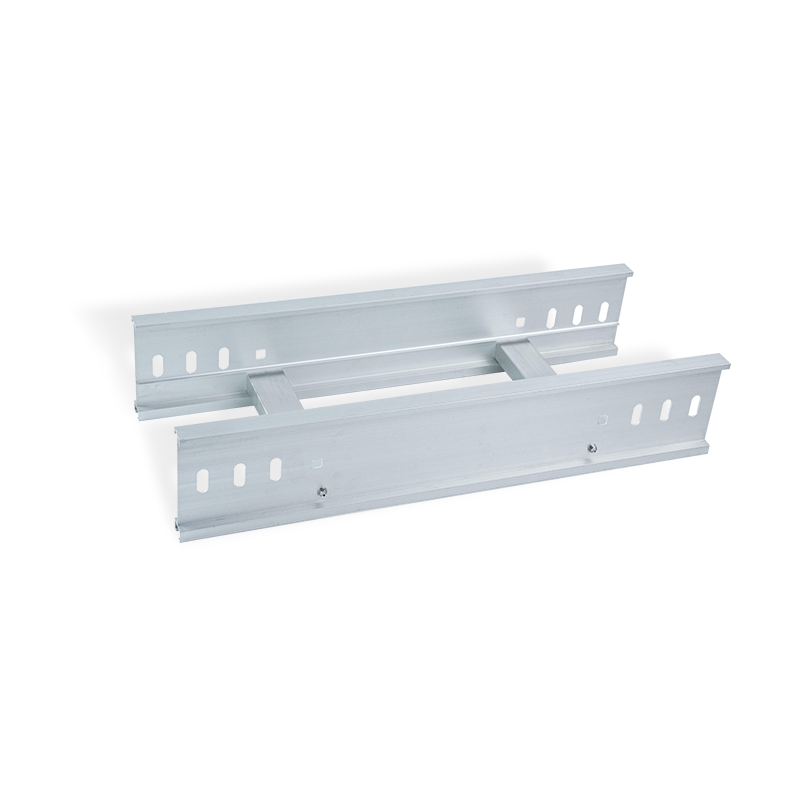
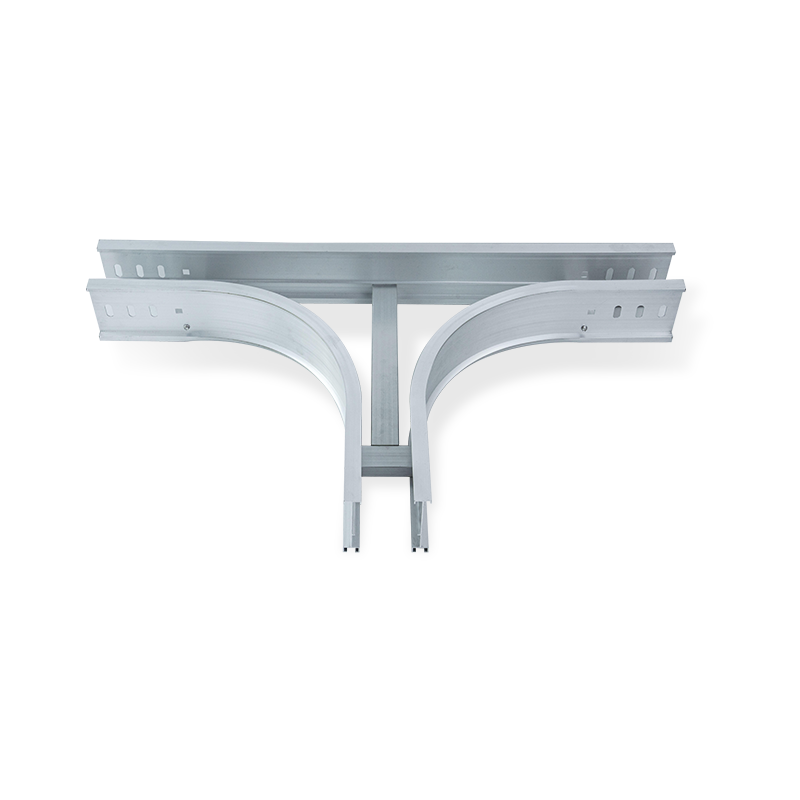
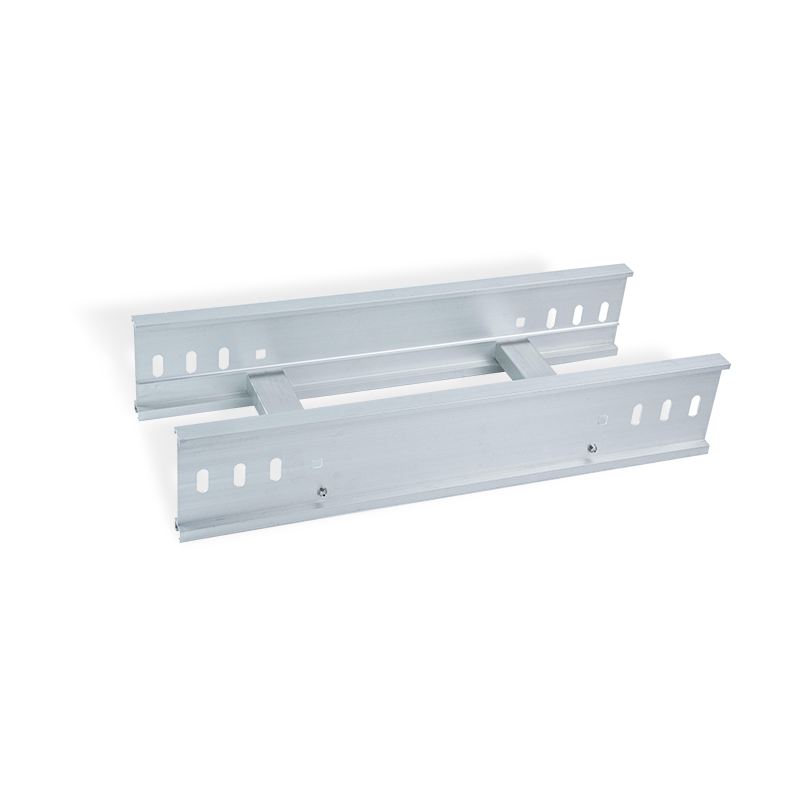
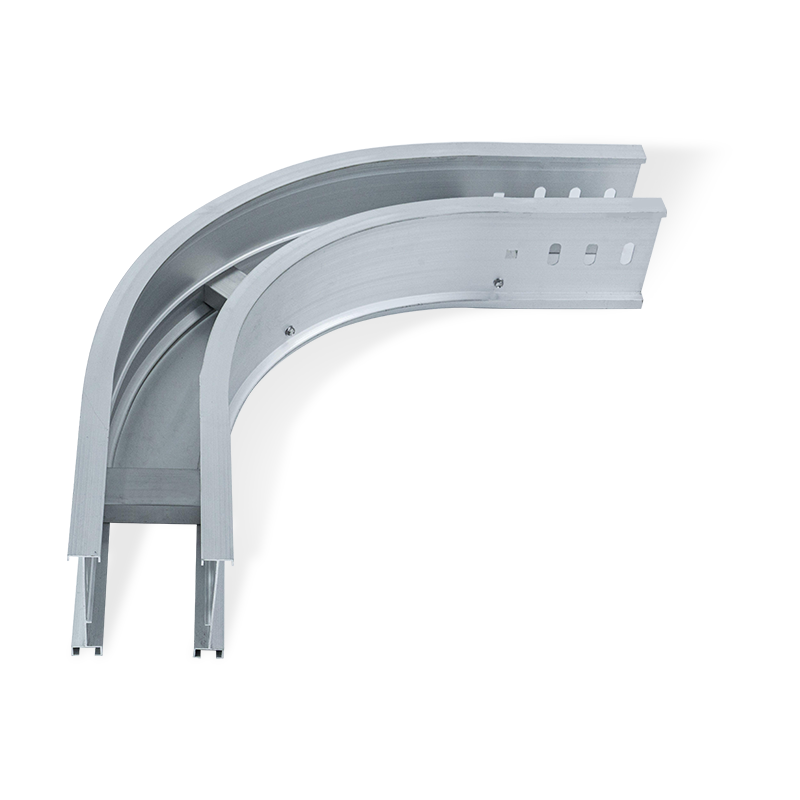
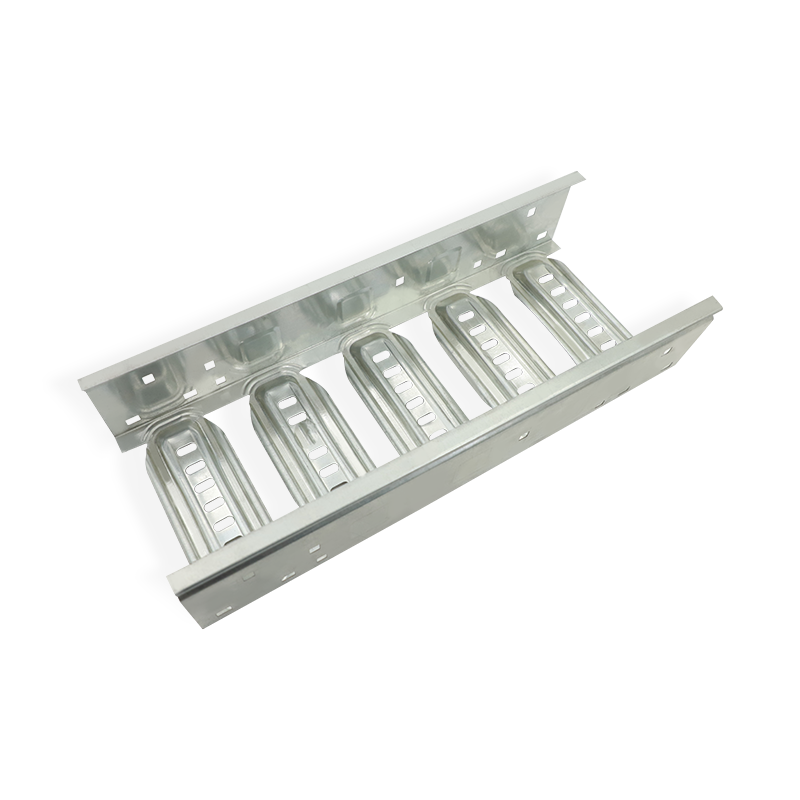
Aluminum ladder trays are structured cable management systems designed to support and organize electrical and data cables in industrial, commercial, and infrastructure environments. They are constructed with aluminum side rails connected by horizontal rungs, forming a ladder-like structure that allows cables to rest securely while providing easy access for installation and maintenance.
Purpose in Cable Management
The primary purpose of aluminum ladder trays is to ensure a safe, organized, and efficient pathway for electrical and communication cables. By using these trays, cable installations can avoid tangling, mechanical damage, and excessive heat accumulation, which could compromise performance. Ladder trays also simplify maintenance tasks and make future cable upgrades more manageable.
Why Choose Aluminum Over Other Materials?
Aluminum offers several advantages compared to other materials such as steel or fiberglass. Its high strength-to-weight ratio makes it lightweight yet strong, allowing for easier handling and installation without compromising structural integrity. Aluminum is naturally resistant to corrosion, making it suitable for both indoor and outdoor environments, including areas exposed to moisture or chemicals. Additionally, aluminum is highly versatile, easy to fabricate, and cost-effective over the long term, making it an ideal choice for modern cable management systems.
About Our Company
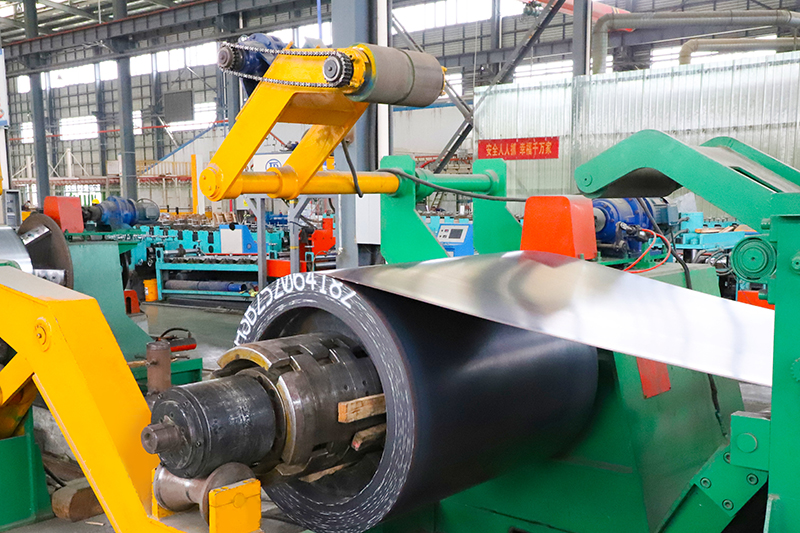
At Jiangsu Youming Group Co., Ltd., we specialize in the research, development, and production of high-quality cable trays, including aluminum ladder trays. Established in 2015, our innovative high-tech enterprise is located in Taidong Industrial Park, Shiyuan Town, Dongtai City. With a registered capital of 50 million RMB and a production workshop spanning over 26,000 square meters, we have an annual production capacity exceeding 30,000 tons. Our products are designed to meet diverse cable management needs, ensuring durability, safety, and efficiency in every installation.
Benefits of Using Aluminum Ladder Trays
Lightweight and Strong
One of the main advantages of aluminum ladder trays is their exceptional strength-to-weight ratio. Aluminum is significantly lighter than steel, which makes handling, cutting, and installing the trays much easier, especially in large-scale projects. Despite being lightweight, aluminum maintains excellent structural strength, capable of supporting heavy cable loads without bending or sagging. This reduces labor costs and installation time while ensuring reliable performance.
Key Parameters:
- Material: Aluminum Alloy 5052 or 6063
- Weight: Typically 4–8 kg/m depending on tray depth and width
- Load Capacity: 50–300 kg/m based on design specifications
Corrosion Resistance
Aluminum naturally forms a protective oxide layer that prevents rust and corrosion. This makes aluminum ladder trays ideal for environments exposed to humidity, chemicals, or outdoor weather conditions. Unlike steel, aluminum does not require additional coatings to maintain its integrity, ensuring long-term reliability and lower maintenance costs.
Key Parameters:
- Corrosion Resistance: Excellent for indoor and outdoor use
- Surface Finish Options: Mill finish, anodized, or powder-coated for extra protection
Easy Installation
Aluminum ladder trays are easy to work with due to their lightweight nature and malleability. They can be cut, drilled, and assembled with standard hand tools. The modular design allows for quick alignment, reducing installation complexity and downtime.
Installation Advantages:
- Tool Requirements: Hand saw, electric drill, rivet gun, wrenches
- Assembly: Modular sections easily joined with bolts or clips
- Adaptability: Supports wall, ceiling, and floor mounting
Cost-Effectiveness
Although the initial material cost of aluminum may be slightly higher than steel, the long-term benefits make it more cost-effective. Aluminum ladder trays require less maintenance, resist corrosion, reduce installation labor, and last longer, resulting in lower total cost of ownership.
Cost Considerations:
- Longevity: Up to 20–25 years depending on environment
- Maintenance: Minimal compared to painted or galvanized steel trays
- Installation Efficiency: Reduced labor and handling costs
Ventilation
The ladder design of aluminum trays allows air to circulate freely around cables, preventing heat buildup and enhancing cable performance. Proper ventilation reduces the risk of overheating, fire hazards, and cable degradation, especially for high-density or high-power cable installations.
Ventilation Features:
- Rung Spacing: Typically 50–150 mm, adjustable based on cable type
- Open Design: Supports cooling and reduces dust accumulation
- Compatibility: Ideal for data, power, and fiber optic cables
Types of Aluminum Ladder Trays
Standard Ladder Trays
Standard aluminum ladder trays are the most commonly used type, featuring a basic ladder structure with side rails and evenly spaced rungs. They are suitable for general cable management needs where moderate cable volumes are expected. These trays provide excellent ventilation and easy access for installation and maintenance.
Key Parameters:
- Tray Width: 100–600 mm
- Tray Depth: 50–100 mm
- Rung Spacing: 50–150 mm
- Load Capacity: 50–200 kg/m
- Finish: Mill finish, anodized, or powder-coated
Deep Ladder Trays
Deep aluminum ladder trays are designed for higher cable volumes or applications requiring additional space for future expansion. The increased tray depth accommodates larger cable bundles without overcrowding, ensuring proper heat dissipation and maintaining system performance.
Key Parameters:
- Tray Width: 200–600 mm
- Tray Depth: 150–300 mm
- Rung Spacing: 75–150 mm
- Load Capacity: 150–300 kg/m
- Finish: Powder-coated or anodized for added durability
Covered Ladder Trays
Covered aluminum ladder trays provide additional protection for cables against dust, debris, and accidental contact. These trays are ideal for environments where cleanliness or cable safety is critical, such as data centers, laboratories, or outdoor installations exposed to harsh weather conditions.
Key Parameters:
- Tray Width: 100–600 mm
- Tray Depth: 50–200 mm
- Cover Type: Solid aluminum cover or ventilated cover
- Load Capacity: 50–250 kg/m
- Finish: Anodized or powder-coated for corrosion resistance
Customizable Options
Many aluminum ladder trays can be customized to meet specific project requirements. Customization options include various widths, depths, rung spacing, finishes, and additional accessories such as dividers, brackets, and grounding components. Custom trays allow for tailored solutions that optimize space, cable routing, and safety.
Customizable Parameters:
- Tray Width and Depth: Adjustable to fit project specifications
- Rung Spacing: Flexible based on cable type and heat dissipation needs
- Finish Options: Mill finish, anodized, powder-coated, or specialized coatings
- Accessories: Cable dividers, supports, covers, grounding kits
Applications of Aluminum Ladder Trays
Industrial Settings
Aluminum ladder trays are widely used in industrial environments such as manufacturing plants, refineries, power plants, and chemical processing facilities. Their strength, corrosion resistance, and ventilation features make them ideal for supporting heavy power and control cables while ensuring safety and compliance with industrial standards.
Key Applications:
- Electrical power distribution
- Control and instrumentation cables
- High-density cable routing for production lines
- Corrosive or humid environments
Commercial Buildings
In commercial environments like office buildings, data centers, hospitals, and shopping malls, aluminum ladder trays help manage large volumes of data, communication, and power cables. The lightweight structure allows for easy installation in suspended ceilings, raised floors, and service corridors.
Key Applications:
- Structured cabling systems
- Networking and fiber optic cables
- HVAC control and security systems
- Flexible cable management for future upgrades
Infrastructure Projects
For infrastructure projects including bridges, tunnels, and transportation systems, aluminum ladder trays offer reliable support and protection for critical cables. Their corrosion resistance and durability make them suitable for both indoor and outdoor installations in challenging conditions.
Key Applications:
- Power and communication lines for tunnels and bridges
- Traffic signaling and control cables
- Railway and metro electrical systems
- Outdoor utility installations
Outdoor Installations
Aluminum ladder trays are highly suitable for outdoor environments where exposure to weather, UV radiation, and moisture can affect cable performance. Their corrosion resistance, lightweight structure, and option for covered designs ensure cables remain protected and well-organized over long periods.
Key Applications:
- Power distribution in outdoor facilities
- Telecommunication networks
- Solar and renewable energy projects
- Water treatment and utility plants
Installation Guide for Aluminum Ladder Trays
Planning and Preparation
Proper planning is essential to ensure safe and efficient installation of aluminum ladder trays.
Determining the Right Size and Type
- Assess the total number and type of cables to be installed.
- Select the tray width, depth, and type (standard, deep, or covered) based on cable volume and future expansion needs.
- Consider environmental factors such as moisture, chemical exposure, or outdoor conditions.
Planning the Layout and Support System
- Define the tray pathway including vertical and horizontal runs.
- Determine the spacing and type of supports required (wall, ceiling, or floor mounts).
- Ensure compliance with local electrical codes and industry standards.
Cutting and Assembly
Aluminum ladder trays are designed for easy cutting and assembly using standard tools.
Tools Needed
- Hand saw or electric saw suitable for aluminum
- Drill and drill bits for mounting holes
- Rivet gun, wrenches, and screwdrivers for assembly
Step-by-Step Instructions
- Measure and mark the tray sections according to the layout plan.
- Cut the tray sections carefully using the saw, ensuring smooth edges.
- Drill mounting holes as required for supports.
- Assemble sections using bolts, clips, or rivets as specified.
Mounting and Support
Select proper mounting methods and support hardware for stability and safety.
- Wall Mounting: Use brackets and anchors suitable for the wall material.
- Ceiling Mounting: Employ hangers, threaded rods, or adjustable supports.
- Floor Mounting: Utilize stanchions or adjustable supports for raised trays.
- Ensure proper spacing of supports, typically every 1.5–3 meters depending on tray type and load.
Cable Management
Proper routing and securing of cables ensures performance and longevity.
- Organize cables by type (power, data, fiber optic) and route according to the tray layout.
- Use cable ties, clamps, or dividers to prevent tangling or shifting.
- Maintain adequate spacing between cables to allow heat dissipation and future expansion.
Grounding and Bonding
Grounding aluminum ladder trays is crucial for safety and electrical compliance.
- Connect trays to the facility grounding system using grounding kits or bonding jumpers.
- Ensure all metal connections are electrically continuous and properly bonded.
- Follow local electrical codes for grounding and bonding practices.
Choosing the Right Aluminum Ladder Tray
Load Capacity
Understanding the load requirements is crucial when selecting an aluminum ladder tray. The tray must support the weight of installed cables without bending or sagging. Consider both the current cable load and potential future expansion.
Key Parameters:
- Maximum Load: 50–300 kg/m depending on tray type
- Span Between Supports: Typically 1.5–3 meters based on load and tray depth
- Safety Factor: Recommended 1.25–1.5 times the expected load
Material Thickness
Aluminum ladder trays come in different thicknesses, which directly affect their strength and durability. Thicker trays are more resistant to bending and suitable for heavy-duty applications, while thinner trays are lightweight and ideal for standard cable loads.
Key Parameters:
- Tray Thickness: 1.5–3 mm for standard trays, 3–5 mm for heavy-duty trays
- Side Rail Thickness: 2–5 mm depending on tray type
- Rung Thickness: 1.5–3 mm for adequate support
Finish Options
Different surface finishes provide additional protection and aesthetic appeal. Common finishes include:
- Mill Finish: Natural aluminum appearance, suitable for indoor use.
- Anodized Finish: Enhanced corrosion resistance and surface hardness.
- Powder-Coated: Provides durable protection against environmental factors, available in various colors.
Compliance and Standards
Ensure that the aluminum ladder trays meet relevant industry standards for safety and performance. Compliance guarantees reliable performance and regulatory acceptance.
- Standards: NEMA VE 1, IEC 61537, or local electrical codes
- Load Testing: Verify tray capacity as per standard guidelines
- Material Certification: Confirm aluminum alloy meets specifications
Supplier Considerations
Choosing a reputable supplier ensures high-quality products, technical support, and long-term reliability.
- Experience: Established manufacturers with proven track records
- Production Capacity: Ability to meet project volume and delivery timelines
- Customization: Availability of tailored sizes, finishes, and accessories
- After-Sales Support: Guidance on installation, maintenance, and troubleshooting
Maintenance and Inspection
Regular Inspections
Regular inspections are essential to ensure the longevity and safety of aluminum ladder trays. Scheduled checks help identify potential issues such as loose connections, physical damage, or excessive wear.
Inspection Frequency:
- Standard Environments: Every 6–12 months
- Harsh or Outdoor Environments: Every 3–6 months
- Checkpoints: Rungs, side rails, mounting brackets, bolts, and cable organization
Cleaning and Corrosion Prevention
Although aluminum is naturally corrosion-resistant, cleaning and preventive measures help maintain performance and appearance.
- Use mild detergents and water to remove dust, dirt, and debris.
- Avoid abrasive cleaners that may damage the surface finish.
- Inspect for any signs of corrosion or surface oxidation and address promptly.
- For outdoor installations, consider additional protective coatings or covers in corrosive environments.
Repairing Damage
Minor damage to aluminum ladder trays can be repaired to extend their lifespan without the need for complete replacement.
- Replace bent or damaged rungs with compatible sections.
- Tighten loose bolts, clamps, or connectors to restore stability.
- For surface scratches or coating damage, apply touch-up paint or anodized protection to prevent corrosion.
- Ensure repaired sections meet original load and safety requirements.
Conclusion
Aluminum ladder trays offer a comprehensive solution for efficient, safe, and durable cable management. Their combination of lightweight strength, corrosion resistance, easy installation, cost-effectiveness, and excellent ventilation makes them ideal for a wide range of industrial, commercial, infrastructure, and outdoor applications. By selecting the appropriate type, size, and finish, and ensuring proper installation and maintenance, aluminum ladder trays can significantly enhance cable organization and longevity.
At Jiangsu Youming Group Co., Ltd., we specialize in producing high-quality aluminum ladder trays designed to meet diverse project requirements. With our innovative production processes, extensive experience, and dedication to quality, we provide solutions that ensure safety, reliability, and efficiency in every installation.
For more information on our aluminum ladder trays or to request a quote tailored to your project needs, contact us today and let our experts guide you to the best cable management solution.

Youming Group is a manufacturing group company mainly engaged in the research and development of new high-strength cable tray
Product
- Wire Type Cable Tray Series
- Punched Type Cable Tray Series
- Trough Type Cable Tray Series
- Cable Rack Ladder Series
- Ladder Type Cable Tray Series
- Marine Cable Ladder Tray
- Strut Channel Cable Tray Series
- Accessories
- Fiber Cable Tray/Optic Cable Tray
- Photovoltaic Stents
- Stainless Steel Cable Tray Series
- Aluminum Alloy Cable Tray System
Contact information
-
No.36, Taidong Industrial Zone Shiyan Town, Dongtai City, Jiangsu Province
